skip to content
Eden Succulents
Learn How to Identify Succulents

Learn How to Identify Succulents

There are plenty of different types of succulents and each type has its own specific needs, which means it is quite important that you learn how to identify the succulents that you are growing in your garden or if you are buying one from a local nursery near you. You must know how to identify the succulents to care for them properly. Well, you’ve come to the right place! In this article, we will help you learn how to identify succulents.

As there are a lot of varieties of succulents available, and sometimes there are plants that are labeled “Succulent varieties” or “Succulent, assorted” at the garden center or local plant nursery, you must identify which succulent you will buy as there are a lot of succulent types that look similar to each other.

To distinguish each succulent that you own and be successful in identifying a specific succulent that you want to buy at a local nursery, you have to follow this guide. Make sure to continue to read below to find out more information on how to correctly identify succulents.

Each succulent species requires different care needs. Some can be quite easy to care for while others can be quite a challenge to some gardeners. We will do our best to help you identify your succulents so you can make an informed decision when choosing which succulents will work best for you.

Why is it Important to Identify Succulents?

  • You can provide the best possible care for the plant.
  • For safety precautions. You will know whether the plant is non-toxic or toxic. If you have pets or small children, you will know which succulents must be placed in an area where no one can reach them because they are toxic to either your pets and/or your small children.
  • You will know if the plant is frost-hardy or not. Some gardeners tend to leave their plants outside and leave them exposed in the cold weather, which results in the death of the plant because it is not frost-hardy at all.

How to Correctly Identify Succulents

Note the characteristics of the succulent. To distinguish the similar succulents from one another, you must check for distinctive characteristics such as:

  • Leaf – check the size, shape, and thickness
  • Flower – check the shape, color, number of blooms and petals
  • Color – check the color of the foliage, flowers, and stems
  • Markings – Some varieties are multi-colored, variegated, and some succulents have markings or bumps on the leaves
  • Stem – check the color, texture, length (Some succulents grow short while others grow long and tend to crawl, spread, or trail.) Does it have a woody, fleshy, thick, or slender stem?
  • Unique characteristics – some succulents have hairs, spines, thorns, spikes, wax
  • Size and shape of the succulent
  • Cold hardiness – Soft or frost-hardy
  • Growing conditions – Needs well-draining soil, direct sunlight or indirect sunlight
  • Plant Growth – forms a rosette or there are a lot of stems

For you to identify a specific succulent, you must know each specific characteristic that makes it unique from others. For example, you should learn whether the succulent is frost-hardy or not. If you live in an area in the Midwest and you own a rosette succulent that grows outdoors as a perennial plant, it means it is frost-hardy and you can rule out the other similar succulents that look the same but does not survive when exposed in cold weather conditions.

Consult experts or other gardeners. You can ask fellow gardeners to help you identify a succulent. Take a good photo of the specific succulent and take note of the specific characteristics that they have. If you have a local nursery you can show them the photo and most of them will be happy to help you out.

You can also check out Facebook groups or forums that help fellow succulent lovers. The people in these groups are happy to help others and help them identify their plants. You must be polite and ask respectfully and always be appreciative of the people who help you out.

When you get a succulent name, you can check it online for available images and compare them with your plant. You can also check for more details and compare whether its unique characteristics can also be found in your succulent.

Phone Apps. There are plenty of phone apps available in the Play Store or iTunes Store that you can download and use to correctly identify different succulents.
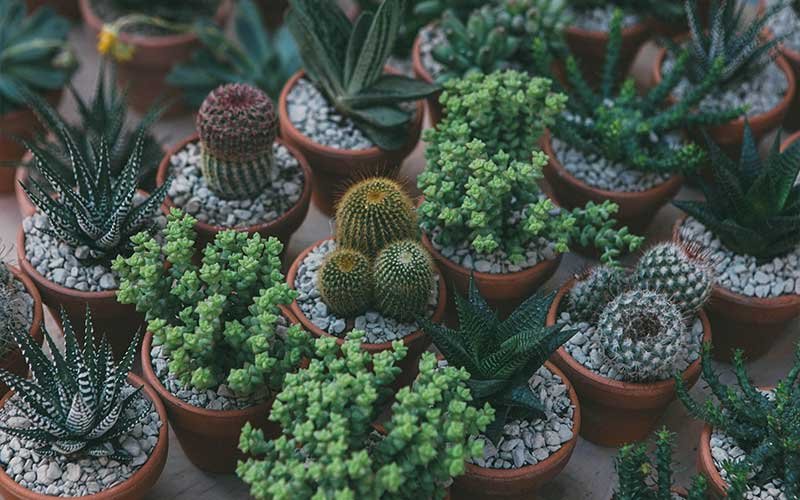
Here are some of the common succulents that you can find in your local garden or plant nursery:

Learn How to Identify Succulents

Succulents With Leaves That Have Spikes or Thorns

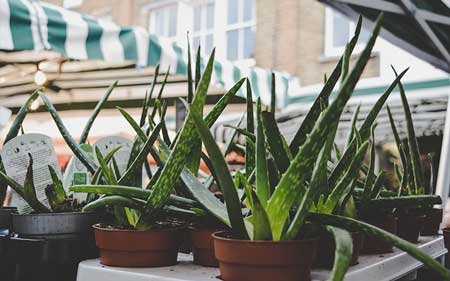
Aloe – Does your plant have spiky leaves with small teeth on its edges?
Aloes are popular among gardeners because of its medicinal properties. If you live in areas that do not get frost during wintertime, this succulent is perfect for you. You can also use them as outdoor plants or as an excellent addition to your garden landscape. Aloes bloom a tall flower spike and produce flowers that look like bells that can come in colors of peach, pink or red hues. Hummingbirds are commonly attracted to its flowers and will help pollinate them. An important tip: Aloes are fire retardant plants.

Agave – Agave plants have a similar appearance to Aloes. One of its unique characteristics is that it has spikes on the tip of every leaf. Some plants do not show this distinct feature especially if they are cut-off in the plant nursery before they are sold. Agaves can also have markings like watermarks or lines found on its leaves – these are left by the previous layers of leaves.

Soft Rosette-Forming Succulents

This variety of succulent form into a rose-like shape, they are also known as circular-shaped succulents.

Soft Rosette-Forming Succulents

Echeveria – This succulent forms a rosette and some species may form as a short rosette growing close to the ground and sometimes may end up with a long stem and a clump of leaves on its top.

Aeonium – This succulent experiences two dormancy periods that help them survive long hot summers, especially when there is little to no water present. This plant will look a little shabby during the drought-like periods and may recover its appearance when the fall season comes.

Hardy Rosette-Forming Succulents

Sempervivum – Hardy Hens and Chicks

This is a hardy succulent. It is easy to grow and can be added to xeriscapes or desert-inspired gardens. This plant has ever-changing colors and textures, making it an easy favorite for individuals who love succulent crafts.

Hardy Rosette-Forming Succulents

Succulents With Stinky Flowers

Carrion Flower succulent has a distinct smell of rotting meat. Flies are attracted by the flower’s smell and pollinate them in the process.

Succulents With Flat Leaves

Christmas cactus – This succulent is one of the holiday cactus groups.

Queen of the Night – This succulent produces flowers and these flowers open during at night, hence the name “Queen of the Night”.

Orchid Cactus – This succulent produces huge pink, orange, white or yellow flowers just like an orchid plant.

Pebble Plants

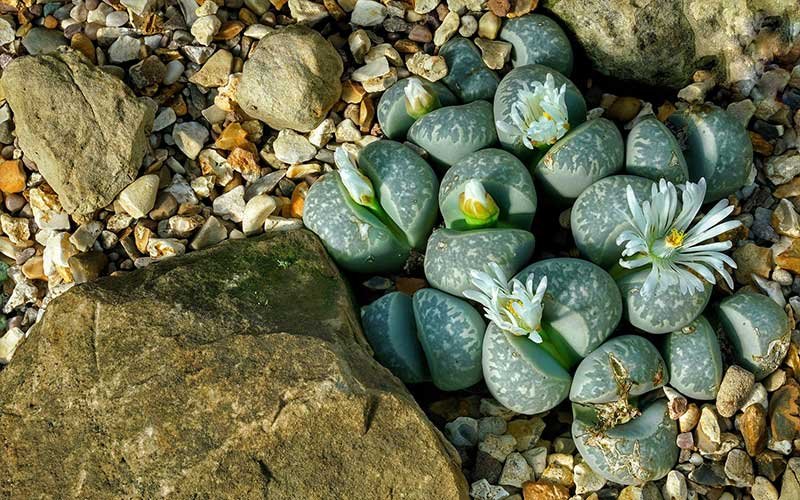
Lithops or living stone – This succulent resemble rocks. They grow extremely slowly.

Lithops or living stone

Round Leaf Succulents

Sedums – Sedums are one of the most common succulents in gardens, they come in various shapes, colors, and sizes. Some sedums can be used as ground covers, shrubs, ornamental plants, or flowering perennials. Sedums can grow both indoors and outdoors if its preferable growing conditions are met.

Sedums

Crassulas – One of the most common succulents belonging from the Crassula genus is the Jade plant, its scientific name is Crassula ovata. Some crassula species form tidy clumps and large shrubs that can have woody stems. Some can grow small but some species can grow to tree-like sizes.

Crassulas

Succulents With Reproductive Leaves

Kalanchoes – Kalanchoes are commonly found in Africa or Madagascar. Most gardeners plant kalanchoes as an ornamental plant. One of the most common kalanchoe species is the Christmas kalanchoe. This plant can bloom flowers in the winter and will last for as long as 3 months. Most kalanchoes have beautiful foliage and can be grown as houseplants even in areas with cold climates.

Kalanchoes

Since there are plenty of succulent varieties available around the world, identifying them can be quite tricky. Some succulent types have similar colors with each other, as well as similar shapes, sizes, and forms. Others rarely produce flowers so it can be quite difficult to identify for you. If you are a beginner, you must keep in mind that most succulents require similar care and appropriate growing conditions, such as they love full sunlight, well-draining soil, and low humidity.

Watering them must be done thoroughly but allow the soil to dry before doing so again. Since not all succulents are the same, you must identify them correctly so you will know what is the best care needed by the plant. If you will be successful, they will thrive, produce flowers and you can even propagate them.

Do you know how to identify succulents? If you are wondering which type of succulent you have in your garden, you came to the right place. Here at Eden Succulents, you will learn how to identify succulents correctly. Are you searching for a guide on how to grow and care for succulents? If you need any information on how to grow succulents, you must visit our website. If you have any questions, comments, suggestions, or inquiries please let us know. We would like to hear from you!

Costa Farms Aloe Vera Live Indoor House Plant

Costa Farms Aloe Vera Live Indoor House Plant

Super easy-to-grow Aloe Vera grows Best in a bright, warm, sunny spot for best results; requires watering once every couple of weeks
Agave Blue Glow Cactus Cacti Succulent Real Live PlantAgave Blue Glow Cactus Cacti Succulent Real Live Plant

Agave Blue Glow Cactus Cacti Succulent Real Live Plant

It is a cross between Agave ocahui and Agave attenuata which produces a glow-like appearance rosette of blue-green, chalky leaves with red toothed margins with a golden and red ribbon.
Blue Echeveria Peacockii Succulents

Blue Echeveria Peacockii Succulents

Blue Echeveria Peacockii Succulents do well in your garden, on a patio, or in a sunny window. Comes in a 4″ green pot with our own premium succulent soil blend.
Live Jade Crassula Ovata Crosby’s Compact Rooted Jade Great for Bonsai

Live Jade Crassula Ovata Crosby’s Compact Rooted Jade Great for Bonsai

You will get ONE bare root baby jade in height of 10-12’’, exact plant in the photo. This Crassula ovata plant would ship bare root carefully wrapped and pack with great care
A List of Different Flowering Succulent Plants That You Can Grow At Home

A List of Different Flowering Succulent Plants That You Can Grow At Home

Flowering succulents is one of the reasons lots of plant lovers have joined the bandwagon and started growing and caring for succulents at home. Succulents are not just a great addition to your home decoration because they are easy to grow indoors, but because some succulents bloom flowers.

If you provide the best care possible for each succulent species, there is a good chance that your flowering succulent plants will be able to produce flowers. In this article, we will discuss the list of different flowering succulent plants that you can grow at home.

There are a few succulent species that bloom lovely flowers even when grown inside the comforts of your home. Make sure to read below if you want to find out more information about flowering succulents that you can grow in your home.

A List of Different Flowering Succulent Plants That You Can Grow At Home
Some flowering succulents are native to areas that get lots of sunlight exposure. When you are planning to grow your flowering plants, you can bring them outside during the hot summer months, or you can also use grow lights like this for additional bright light exposure. Most succulents will need enough amount of light so they can produce flowers.

1. Prickly Pear Cactus – This succulent belongs to the Opuntia genus. It is also known for being an edible succulent. Most varieties bear colorful fruits and the leaf pads are also edible and can be eaten after removing the spines. Opuntia cacti are also grown because they bloom lovely flowers.

Opuntia cacti have more than 100 species of succulents; you can find one that fits your personality. If you prefer small flowering succulents you can choose Opuntia microdasys – it is also known as bunny ears cactus.

Make sure to watch out for its glochids, those tiny spines can be quite difficult to remove once attached on skin or clothing! If you want a flowering Opuntia succulent that can be grown outdoors, you can choose Opuntia Grandiflora, it is a frost-hardy species and for individuals who love flowers, make sure to check out Opuntia basilaris.

Opuntia cacti are generally easy to grow as they are quite hardy, making it an easy choice for beginner succulent growers. You can wear gloves when handling them because their spines are quite awful! When stuck in the skin or fur it can cause skin irritation!

Prickly Pear Cactus

2. Easter Lily Cactus – This cactus plant belongs to the Echinopsis genus. It is also known as hedgehog cacti. This plant blooms a fuzzy flower spike and produces a beautiful flower that can be quite huge that it can conceal the entire plant.

One species that belongs to the Echinopsis genus is also named Flying Saucer. The Easter Lily Cactus can continue producing flowers for days or weeks and each flower will wilt after a few days and be immediately replaced by a new one accordingly.

If you prefer showy plants, the Easter Lily Cactus is perfect for you! It is guaranteed to be an amazing sight to behold when placed in a garden full of plants. Echinopsis cacti are generally easy to care for, just make sure it gets enough sunlight. You can water thoroughly when the soil has become extremely dry during summertime. Avoid watering the plant during wintertime. You can use fertilizer to ensure that your Echinopsis cacti will be able to produce beautiful blooms!

Easter Lily Cactus

3. Christmas Cactus – This flowering succulent is perfect for those who live in areas with dark winter days. This plant can be a great addition to your home if it needs a lovely splash of color. The Christmas cactus is consist of segmented leaves and produces lovely blooms with varying colors on their tips. This succulent produces flowers during the winter months.

This succulent grows in forests and not in areas with dry, arid climates. If you are planning to grow this plant, you must water it regularly. If it lacks water, it will wither and drop its leaf segments. You must keep its soil lightly moist and never allow it to become extremely dry. You can water the plant when the topsoil has become dry.

When you are caring for the Christmas cactus, avoid placing it in an area with direct sunlight, as it is normally grown in areas that are blocked out by taller trees, it is used to growing conditions with shaded areas. If you have loved ones and friends that enjoy succulents you can give them a Christmas cactus as a gift. It is a perfect gift during the holiday season. If you give this plant the best care it will bloom beautiful flowers that come in shades of pink, red, and purple.

4. Epiphyllum or Orchid Cactus – This succulent is usually dismissed by some as it does not look appealing, but when it blooms, it is guaranteed to cause everyone to stop and stare because it produces beautiful flowers. Its flowers can grow up to the size of a plate. Its petals can have varying colors, from pale cream, white, pink, red, and purple. Epiphyllum usually blooms flowers starting at the end of September until early spring. The orchid cactus is an epiphyte or a tree dweller.

When growing the orchid cactus, you must plant them in well-draining soil which contains high organic matter. It will need bright but filtered light to grow its best, as it is naturally found in jungles, growing in trees. For the orchid cactus to bloom flowers, it must get 12 hours of sunlight daily.

Epiphyllum or Orchid Cactus

5. Moonstone plant – This succulent is known as Pachyphytum oviferum, it is a perfect choice for gardeners who fancy a plant’s foliage and flowers. This is a rosette-forming succulent that has round leaves that look like small stones. This plant can be a great decoration in your home! During the early spring, this plant produces flower spikes and blooms white/orange flowers that form in clusters on a thin stem and it can grow very tall.

When growing a moonstone plant at home, you must provide it with plenty of sun exposure, and use well-draining soil with a container with drainage holes. This plant is not frost-hardy so it will not be able to withstand the harsh cold climates during wintertime. It is best to bring it indoors during the winter months and you can bring them outdoors during the summertime.

6. Aeoniums – This plant is also known as tree houseleeks, they are native plants found in the Canary Islands. Aeoniums can produce small yellow flowers when they are fully mature. It blooms flowers during late spring or summertime.

Aeoniums are a monocarpic succulent, which means the parent plant dies after it blooms flowers. Fret not, you can propagate them before they become fully mature so you will have a small aeonium plant to take its place when it dies.

When growing Aeoniums, you must remember it is drought-tolerant, it can be used in xeriscapes or desert-themed gardens. It needs to be watered regularly but make sure to avoid overwatering. It needs sun exposure to partial shade; it can be grown in containers. Its flower stems grow in the center of the rosettes. It blooms tiny, star-shaped flowers forming in clusters.

7. Kalanchoes – This plant is also known as Flaming Katy because it blooms flowers that have flaming colors. One of the kalanchoe species is the Kalanchoe Blossfeldiana, this plant blooms flowers on top of a short stem above its leaves. Its foliage is glossy green and the leaves are quite huge and bloom tiny flowers that form in clusters that do not wilt after a few weeks.

Kalanchoes
You can make your Kalanchoe plant bloom again after its blooming period by doing the following practices: You must do everything that stimulates its natural process of blossoming flowers. You must simulate winter conditions by watering it lightly as well as the lighting but do it gradually for approximately 6 weeks, do not fertilize the plant during this time. When it blooms flower buds, you can proceed to care for it just like you used to.

8. Echeveria – This succulent is one of the most popular types of succulent and it is a native plant of Mexico. A lot of gardeners prefer growing this succulent because they form lovely rosettes. It produces beautiful and colorful flower stalks that vary from one species to another.

The flower spike can produce multiple offsets with small pink, orange, or yellow flowers. Some echeveria species bloom during the late summer. They are also mostly perennial plants and may bloom flowers around the same time every year.

Echeveria

If you are planning to grow echeveria indoors, you must remember that it can be quite a challenge. It needs a lot of sunlight exposure to maintain its rosette form. Echeverias will etiolate when it receives a small amount of light.

When this occurs, the plant will look quite unusually elongated and it will not be able to produce flowers. Make sure to grow your echeveria plant with lots of sunlight or you can also use some grow lights if growing it indoors.

9. Easter cactus – This flowering succulent blooms flowers during Easter. The Easter cactus can be used as one of your springtime decorations. The Easter cactus does not grow in desert-like climates, it is naturally found in the jungle. To grow properly it will need a lot of moisture and less amount of light.

If you are planning to grow this plant, you can trigger its flowering capabilities by combining the perfect amount of light and the right temperature. The Easter cactus can bloom flowers if it is kept in an area with nights that are completely pitch black starting in January.

A lot of gardeners may confuse the Easter cactus with the Christmas cactus, just keep in mind that the Easter cactus has a rounded segment of leaves and it blooms flowers on a single segment only and not multiple.

10. Ice plant – This flowering succulent belongs to the Delosperma genus. It is a native plant of South Africa. This plant is an excellent choice if you are searching for a plant that you can use as a ground cover. When exposed in the best growing conditions, the ice plant grows and spreads fast in an area they are planted in, therefore, producing a beautiful green ground cover that looks extra special when it blooms flowers.

It can grow up to 3-4 inches in height. Ice plants have needle-like leaves and bloom small daisy-like flowers that come in varying colors of purple, pink, and yellow. The ice plant blooms flowers during summer time until fall. The delosperma succulents are frost-hardy and you must remember to keep them dry during the wintertime.

They can withstand very low temperatures so there is no need for you to worry when wintertime comes. Always remember to use well-draining soil and plant it in a sunny area so it will grow its best.

Ice plant
Are you planning to plant flowering succulents at home? Make sure to check out the list of different flowering succulent plants that you can grow at home that we have mentioned above. If you are searching for more information about succulents you must visit our website. Please let us know if you have any questions or inquiries regarding succulent care and how to care for them properly. We will do our best to help you out!
Dr. Earth 707P Organic 8 Bud & Bloom Fertilizer in Poly Bag

Dr. Earth 707P Organic 8 Bud & Bloom Fertilizer in Poly Bag

  • Feed all bulbs, tubers, corms and rhizomes
  • Made with 100% organic and natural ingredients
Flower Seeds, Plant Seeds, YESZ 20Pcs Schlumbergera Seeds Cactus Flower Pot Bonsai

Flower Seeds, Plant Seeds, YESZ 20Pcs Schlumbergera Seeds Cactus Flower Pot Bonsai

Schlumbergera, commonly called Christmas cactus is an epiphyte plant that naturally occurs in the rainforests of Brazil
How to Make an Echeveria Flower

How to Make an Echeveria Flower

Most people love to grow succulents because of their wonderful fleshy leaves and fascinating textures. Among the different varieties of succulents, Echeveria is one of the most beautiful of them all. Simply because they bear flowers.

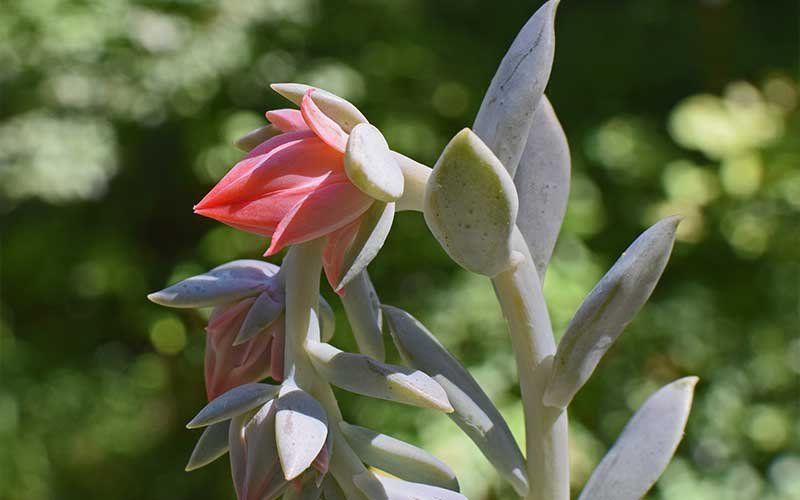
The flowers of Echeveria can be seen on its tall arching stalk. Essentially, these flowers have a bell shape and come in different colors. Generally, Echeveria blooms during the summer or early fall. However, it will likely depend on the type of species you have.

How Can You Make an Echeveria Bloom?

The blooming of Echeveria will greatly depend on several factors. For instance, the amount of light that they receive. Temperature also plays an important role in the blooming of Echeveria plants. When they are in Mexico and South America, which are Echeveria’s native habitat, they don’t commonly react to the difference in the hours of daylight.

How Long Does an Echeveria Flower Last?

The Echeveria flowers will flourish in sequence and will take many weeks to finish the cycle. The blooms will start to emerge from the end portion which is nearest to the plant. The flowers will stay for approximately two weeks giving you more time to enjoy.

As the older flowers are about to dry out, new buds are waiting to open at the end of the stalk. Mostly, the flowers of Echeveria are orange, peach or pink. But sometimes they can also be in white, off white, or yellow. There are even some species which can produce red flowers. One of the most effective ways of determining two very close types of Echeveria is through the color of their flowers. Additionally, the layout of the sepals and bracts is another distinguishing characteristic of Echeveria succulents.

Butterflies and other insects will surely enjoy its flowers. The Echeveria flowers also contain a lot of seeds that you can plant. You could also move the pollen from one plant to another by using a paintbrush. Most plants are self-sterile. This means that seeds can only be produced when several different plants will flower simultaneously.

Echeveria flowers can generate seeds when they are in the right conditions. Once an Echeveria stalk is done flowering, do not throw it away. It still contains some tiny seeds which look like dust. You could use them for propagation.

If you don’t want to save the seeds, then you must cut the stalk at the base so as not to damage its fragile foliage. Once they are done flowering, your Echeveria plant will bloom again next year, about the same time.

How Long Does an Echeveria Flower Last?

Why Choose Echeveria?

You might think that Echeveria requires a lot of special care since they produce spectacular flowers. But the truth is, these plants can thrive even with a bit of neglect. Succulents such as echeveria are drought-tolerant plants making them easier to grow. You can also turn them into gorgeous houseplants. They come in manageable sizes and can look great on any type of succulent planters. You could also plant them outdoors, most especially in rock gardens.

Echeveria is a native plant of Mexico, South America, and Central America. These flourishing succulents belong to the stonecrop family crassulaceae. They commonly grow in rosette shapes and have colorful leaves. Getting them to bloom can truly give you delight.

There are only a few plants that can look nice when used as home décor and Echeveria is one of them. They are beautiful, compact, and easy to grow.

How to Care for Echeveria?

Caring for Echeveria is much the same with sedum and kalanchoes since all of them are members of the Crassulaceae family. They are relatively small, but they have a tendency to grow a bit taller. Although caring for these plants may vary from one plant to another, there are some common practices that you need to remember.

When growing your echeveria, be sure to avoid overwatering them. Keep them on the light and avoid keeping them in extremely cold areas. Echeveria is a great choice if you are just starting to build your succulent garden.

How Much Light Does Echeveria Requires?

Echeveria is just like any other varieties of succulents that love sunlight. Hence, it is best to plant them outdoors, but you can still grow them indoors by placing then in a sunny window. However, during extreme hot climates, you need to protect them against full sunlight.

If your echeveria obtains the right amount of light, then its rosette will be firm and solid. If your succulent does not get enough light, then it will grow tall and thin.

How Much Light Does Echeveria Requires?

How Often Should You Water Echeveria?

During summer and spring, you need to water them regularly, if you place them outdoors under the sun. If you place them on planters, then make sure that they have great drainage. Ideally, you can use a special cactus and succulent soil on them.

During the winter, echeveria plants are inactive, hence you must avoid overwatering them. If you are planting them outdoors, then you need to soak them with water, then let the soil dry out before watering them again. If the summer gets too hot, then you have to water them daily.

Echeveria can get rot from excessive water during the winter. Hence, growing echeveria outdoors during the winter can be a great challenge. You could choose to grow them indoors during the colder months.

What Is the Best Temperature for Growing Echeveria?

The best temperature for echeveria is between 65º to 70ºF, they are not comfortable in temperatures below 50ºF. These hardy plants can thrive outdoors in higher temperature zones. But they can only endure Zone 9b during winter.

Because of this, it is best to grow echeveria indoors during the winter and you can grow them outdoors during the summer.

Should You Fertilize Echeveria?

Echeveria can survive in natural soil with minimal nutrients, hence fertilizing is not essential at all. However, if you want to fertilize them, then perform this during its growing season. You can use natural organic matter when your succulent starts to flower.

What Are the Characteristics of Echeveria Leaves?

Echeveria leaves come in different shapes and textures. Some are sharp and smooth while others have multicolored margins. There are even leaves with blurry texture while others have ruffled edges. Ultimately, one characteristic that seems to be common among all echeverias is their fleshy leaves. Most often succulent leaves can be used for propagating.

What Makes Echeveria Flower Spectacular?

The echeveria flower looks magnificent and can quickly grab attention. Most gardeners love growing echeveria because of its rosette and wonderful textures, but its flowers are even more gorgeous. Echeveria flowers are formed on its long arching stalks. One echeveria can produce multiple flowers that will bloom one after the other. It will stay for weeks so you can enjoy watching their colorful blooms.

Echeveria flowers have thin, narrow petals and are typically in pink. The stems of the flowers can grow up to two feet long.

At Eden Succulents, you can find several tips on how to grow succulents. We want you to have fun while growing your succulents. If you need help in caring for your succulents, then you can always ask us!

Succulent Echeveria 'Blue Surprise', Rosette Succulent

Succulent Echeveria 'Blue Surprise', Rosette Succulent

You will receive ONE potted Echeveria ‘Blue Surprise’ directly selected and shipped out from our farm with soil in planter. Strong roots! Each succulent diameter approx. 2 inches. Shipping is free when purchase more quantities or varieties
Jiimz Beautiful Set of Jiimz 5 Unique Echeveria Succulent Plants

Jiimz Beautiful Set of Jiimz 5 Unique Echeveria Succulent Plants

Each Succulent is individually planted in a pot, hand picked, and taken care of to insure the quality of each plant.
How to Grow and Care for a Living Rock Succulent

How to Grow and Care for a Living Rock Succulent

Living rock succulent is a unique type of succulent. It has a resemblance to a rock split into two. Hence, this is why it is named as such. Although they are a native plant in Southern Africa, you can still purchase them in various nurseries and garden centers. They are extremely small plants and they grow very slowly. In fact, it will take years before it can form new leaves and fill its pots.

Living rock succulents have a unique structure. It is composed of two leaves joined together by its stem and roots. They have enormously thick leaves and the extent of its blending will likely depend on the type of species that you have. There are species that only have a single leaf and there is no indication of any leaf merging. On the other hand, there are also some species that are extremely lobed, and it even reaches the level of the soil.

If you are a collector of unusual plants, then this could be a fantastic addition to your collection. Keep in mind that you need to be careful in watering them. With excessive water, the plant can die from underneath the ground or its leaves will explode. However, if you keep them in good condition, then they will bloom. Most likely its flowers will appear from mid to late summer. The flowers of living rock succulents are in white and yellow and they have a resemblance of a daisy. They will come out between the leaves.

Living stones can grow well in dense, sandy soil with not much water. They can also endure the hot temperature. If you want to grow these living rock succulents in your home, then here is a little bit of information about these plants.

Information on Living Rock Succulents

Living stones have a plethora of interesting names including flowering stones, mimicry plants, pebble plants, etc. They all pertain to this plant which has an unusual shape and growth pattern. These plants are typically made up of only two leaves. They are too small and its quite rare to see them grow more than one inch above its soil level.

The thick leaves of living stones look like a pair of stones combined together. Most parts of the plant are buried underground including its stem and roots.

What Are the Different Varieties of Living Rock Succulents?

What Are the Different Varieties of Living Rock Succulents?

What Causes Stress to Succulents?

Living rock succulents belong to the Mesembryanthemum group of plants. Within this group, there are numerous genera that include Lithops and Conophytum. Consequently, within these two genres, there are lots of species. Oftentimes, it is very hard to identify them, except if you are a biologist or a diehard fanatic.

Since the growing requirements of most living rock succulents are the same, so it’s better for you to choose your favorite. But you have to remember that each of these species varies in their cycles. The period that they become inactive and the time that they will bloom may vary. Hence, you have to observe your plants closely so that you can find some indications.

How to Grow Living Rock Succulents?

Water

It is important to know that every living rock succulent has its specific yearly cycle that must be followed meticulously. During the summer, when they are inactive, you can gently water them, most especially when the leaves have started to dry up. But generally, plants must not be watered during their dormancy period which is in summer or winter.

Light

Living rock succulents love full sunlight, so as much as possible you have to provide them with more light. If they can’t get enough light, then their leaves will be stretched and the pattern on the leaves will disappear.

Temperature

These plants can thrive in warm temperatures during the summer and cold temperatures during the winter months. They can also survive on the temperature within the household.

Fertilizer

Living rock succulents can endure in arduous situations. Hence, applying fertilizer may not be essential.

Soil

The ideal soil for this plant is a cactus mix, however, you could also use fast-draining potting soil combined with sand.

Repotting

Living rock succulents are small and they grow very slowly, making them one of the best houseplants. As they get older, they will form beautiful masses of pebbles that look so adorable. Typically, these plants must only be repotted when problems occur such as soggy soil or when they have grown large enough and they can’t fit into their container anymore. But it can take several years before this will happen.

Propagation

There are two ways of propagating living rock succulents, either by seeds or by division. Typically, if you grow them by seeds, then it will probably take two to three years before they can mature and start to bloom.

Propagation

Other Tips for Growing Living Rock Succulents

Each year, these plants can grow a new set of leaves. Most likely, they will start to appear in the fall and continue to grow throughout the winter and the summer. They will become inactive during the late summer, hence, during this time, you should avoid watering them to avoid erupting its leaves.
Living stones will start to bloom at the end of summer or fall. At first, you will see small buds emerging between the leaves and its development will begin. It’s fine to water them during this time.

Their leaves will continue to develop up to the winter season. You have to stop watering them even if the matured leaves have dry up and enclose the new growth. You can start watering them gently during springtime when the plant starts to develop again. When summer comes, they will become dormant again and new leaves will start to appear in the fall.

Be cautious of any typical pests such as scale since they can damage the plant’s fragile foliage. To solve this problem, you need a good pesticide, but only choose the one that is environmentally friendly.

At Eden Succulents, you can find different guides and tips in growing and caring for succulents. Whether you are a beginner or an expert we want to give you a wonderful experience in growing your succulents. If you need any advice, then let us know in the comments below.

Pack of 8 Live Mini Exotic Lithops Plant Seedlings

Pack of 8 Live Mini Exotic Lithops Plant Seedlings

These Baby Seedlings are Perfect for Lithops Starter. 8 Rare live exotic BABY lithops plants. 12 Months Old Seedling. Diameter: 0.3-0.5 Inch. We will guarantee varieties.
Living Stone Plant

Living Stone Plant

  • Lithops, (commonly called “flowering stones” or “living stones”)
  • The plants blend in among the stones as a means of protection
Identifying Succulents and Cacti

Identifying Succulents and Cacti

Succulents and cacti are most often used interchangeably. You need to understand their relation to help you identify them properly. Succulents are plants that can retain water on their leaves, roots, and stems. Succulents are made up of approximately 60 different plant varieties that include sedum, aloe, sempervivum, haworthia, and apparently cacti. Cacti are chubby plants that can preserve water, that is why they are part of this family. Because of this, we can say that all cacti are considered succulents.

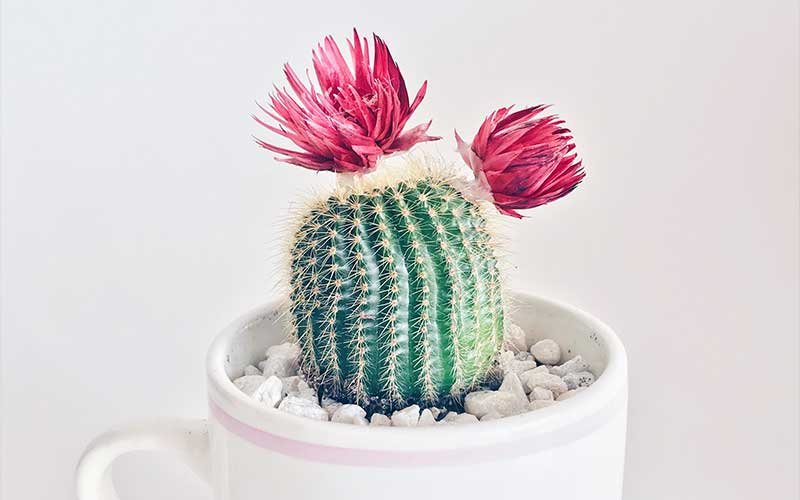
Simply put, cacti are a sub-category of succulents. They come in different sizes and shapes. They can either be short and round or tall and thin. Cacti do not usually have any leaves and branches.
In order for succulents to be considered as cacti, they must have areoles. Areoles are the round fleshy part of the cacti where flowers, spines, leaves, and other elements grow. Areoles can only be found on cacti, and not on all succulents.

Some succulents are often wrongly identified as cacti due to their spikes. However, these characteristics do not instinctively qualify them as cacti. Hence, we can say that the areoles are the major distinguishing factor between the two. If the succulent does not have areoles, then it cannot be classified as a cactus.

You might think that this is quite simple, yet there are still grey areas when it comes to differentiating succulents from cacti. Technically, cacti can be considered as succulents, but a few botanists and horticulturists argue that the two of them are entirely different. Some botanists classify cacti as succulents, while a few horticulturists omit cacti from the succulent group. But generally, it is safe to say that all cacti are succulents, nevertheless, not all succulents are cacti.

Although there are some differences between succulents and cacti, yet they are very much connected. Succulents refer to a group of species that belong to numerous botanical families while cacti refer to a specific botanical family. Additionally, all cacti are succulents, however, not all succulents are cacti.

Which Is More Popular?

Cacti, especially the larger ones, are mostly seen in western movies making them popular. Regardless if you are not a gardening expert, you can easily identify a cactus. On the other hand, succulents are becoming more popular nowadays, especially for those who are looking for low-maintenance houseplants. They are also a perfect choice for newbie growers.

Which Is More Popular?

What Are the Differences Between Succulents and Cacti?

Despite being closely related, succulents and cacti also have some significant variances. First of all, cactus plants typically have fewer or no leaves at all.

Among the different types of succulents, cacti are highly recognized for their rounded grooves along its stems. These are known as areoles. Along with these adapted buds, some spikes will emerge. Cacti are popularly known for their spiky edges.

There are different varieties of non-cactus succulents and most of them are native plants in various regions all over the world. On the contrary, almost all types of cacti can be found everywhere. When it comes to cacti, people can easily identify them through their areoles, hence, when they see non-cactus succulents, they will immediately know the difference.

Succulents have chubby leaves for storing water. They can survive even in the most challenging climates. They are known as succulent because of their juicy look. Succulents come in different sizes, from the smallest Lithops to the biggest saguaro.

Most types of succulents are not edible, however, there are some which can be eaten. You can drink the juice from an aloe vera plant or use the leaves of purslane as an ingredient for your salad.

What Are Some Examples of Cacti?

When we talk about cacti and succulents, we usually relate them to warm locations such as the deserts. However, there are some types that are cold hardy. For instance, the “hens and chicks” succulent can thrive in hardiness zones 3 to 11. With regards to the cacti varieties, the prickly pear (Opuntia humifusa) has the ability to survive in different types of climates within zones 4 to 10.

Prickly pear forms into bunches and can reach a height of up to 14 inches and 28 inches wide. As it grows older, it becomes more prone to its growth routine. They can bloom yellow flowers that reach up to 3 inches. They will start to bear flowers during the summer or late spring.

The flat portion of the plant is known as nopalitos or “pads.” This vegetative part looks like a cluster of prickly beaver tails jammed together. That is why the Opuntia basilaris species is best known as the “beavertail cactus.”

Other cacti species include Ball cactus (Parodia), Crown cactus (Rebutia), etc.

What Are Some Examples of Succulents That Are Not Considered as Cacti?

There are some succulents that do not belong to the cacti family. These are Aloe vera (Aloe barbadensis), Agave (Agave americana), Angelina stonecrop (Sedum rupestre Angelina), Hens and chicks (Sempervivum tectorum), Autumn Joy stonecrop (Sedum Autumn Joy), Flaming Katy (Kalanchoe blossfeldiana), Purple ice plant (Delosperma cooperi), Chocolate Drop stonecrop (Sedum Chocolate Drop), and Moss rose (Portulaca grandiflora).

What Are Some Examples of Succulents That Are Not Considered as Cacti?

What Are the Uses of Succulents and Cacti?

Succulents and cacti are beautiful, tough, and sundry. That is why they can be useful in a lot of ways. They can look great when used for your terrarium. They can freshen the surroundings when used as houseplants. Xeriscape plants are perfect for dry areas. Some varieties of short succulents including Angelina stonecrop can look nice when placed between garden stepping-stones.

Whether you are growing a cactus or a succulent, the most important thing to remember is that they are water-filled plants. Hence, they should look chunky since they are filled with water. If they don’t look as such, then you have to water them. But first, you have to eliminate any existing water that may have developed at the bottom of your plant.

Lastly, if you have any questions about succulents or you need some advice on what type of succulent to plant or where to put them, just ask us. The aim of Eden Succulents is to help you care and grow your succulents. We can help you create a perfect sanctuary for your plants.

10 Assorted Live Succulent Cuttings

10 Assorted Live Succulent Cuttings

GUARANTEE HEALTHY ARRIVAL: Every order comes with THE SUCCULENT CULT GUARANTEE of live healthy succulent cuttings and our assurance that you will adore your succulent cuttings.
Altman Plants Assorted Live Cactus

Altman Plants Assorted Live Cactus

UNIQUE HAND SELECTED: Each order contains GROWN WITH LOVE and hand selected cactus plants. You will receive a variety of unique cactus similar to the ones in the photo which may include: Echinocactus, Mammillaria, Notocactus, Opuntia, and other cactus varieties.