skip to content
Eden Succulents
How Long Can Succulents Live?

How Long Can Succulents Live?

If it is your first time growing and taking care of succulents, you can’t help but wonder how long can succulents live. Since there are a lot of different succulent types out there, in this article, we will discuss the answer to the question “how long can succulents live?” and we will discuss some important information that you will need to make your succulent plant live longer. If you want to know more information, make sure to read below to find out!

Succulents are one of the hardiest plant groups; they are known to survive in desert-like conditions. They can thrive with just a small amount of watering and can live in areas with extreme temperatures.

If you want to determine your succulent’s lifespan, you may not receive an exact answer as there are plenty of aspects that can affect it. There are different types of succulents and each one is unique from the others so each type has a different lifespan. Here are some of the popular succulents and their lifespans so you will know what to expect when growing them:

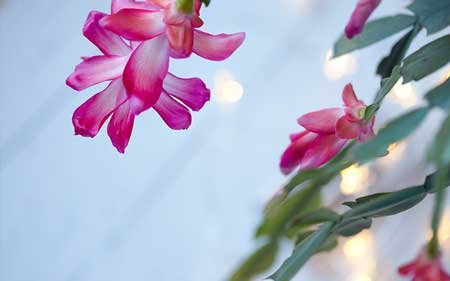
1. Christmas Cactus (Schlumbergera sp.) – If you are planning to grow a Christmas cactus, be ready to be wowed by its beautiful and showy flowers. This succulent is also known as Easter cactus and they often produce red, white, or pink blossoms. Since this succulent is a native plant of Brazil, it prefers tropical conditions to drought-like climates. This plant will need watering often.

Do not allow the soil of this plant to dry out completely, you must keep it moist. However, you must not overwater because it can cause root rot and it can kill the plant. The Christmas cactus prefers less sun exposure, unlike the other succulents. Make sure to provide it with indirect light. They can live up to 30 or more years. This plant is a perfect gift for family members or friends who love succulents.

How Long Can Succulents Live?

2. Aloe Vera – Aloe Vera is one of the most popular choices among succulent growers because it has a lot of medicinal benefits to humans. Aloe Vera has plump serrated leaves with colors ranging from green and grey-green. This plant can grow up to 2 feet. If you are planning to grow Aloe Vera at home it may live approximately between 5-25 years.

It will last longer depending on the care and attention given to it. Aloe Vera may grow slowly so you have to be patient. This plant needs full sun exposure and you can plant it in well-draining soil and let it dry out in between watering. When watering this succulent, you can give it enough water but you must use a terracotta container so it will drain excess water accordingly.

Aloe Vera

3. Jade Plant (Crassula Ovata) – The jade plant is also known as the money plant. It is considered to bring good luck and prosperity to a home. This plant has thick tear-drop shaped leaves and can be grown indoors and you can plant it in a pot.

The Jade plant can grow up to 3 feet and will develop thick woody stems when it matures and may resemble a small tree. Its life-span can last for at least 20 years, but it is known to live for more than 70 years. When caring for this succulent, you must give it enough sunlight exposure. Allow the soil to dry completely in between watering.

Jade Plant (Crassula Ovata)

4. Hens and Chicks – This succulent is also known as Houseleek and it is a part of the Sempervivum genus. The Hens and Chicks succulent gets its name from the way it produces small offsets from the base of the parent plant. The parent plant is called the hen and the chicks are the small offsets clustered on its base. This plant is easy to propagate because it produces small offsets or small plants that look exactly like the parent plant.

The Hens and Chicks succulents can be planted on a planter or container that has drainage holes to allow proper drainage of water. It can be planted both indoors and outdoors. It has a lifespan of at least 3 years but the plant can last forever because it continuously produces offsets every year. Some species can live longer, but it depends on the species and how you take care of it.

Hens and Chicks
When growing the hens and chicks you can plant them in sandy, well-draining soil. Water it when the soil is completely dry. Whenever it produces offsets, you can repot them in containers when they are at least an inch in diameter so you can produce more plants in the process.
5. Barrel Cactus (Ferocactus sp.) – The Barrel cactus can live up to 50 years and can keep living for a long time that it can be a part of your children’s inheritance, it is known to often outliving its owner. This plant can grow up to 3 or more feet in height when it is fully mature. Although it resembles a round pincushion, it is capable of blooming yellow or orange flowers every year if it is exposed to preferable growing conditions.

This plant will thrive when placed in a sunny area with warm climates. When watering this plant it can be fully soaked but allow it to dry completely before watering again. You can water the barrel cactus at least once a month. During its younger years, this plant will have rapid growth and will slow down its growth. It will become fully mature after 10 or more years.

Barrel Cactus
6. Living Stones (Lithops sp.) – This succulent looks like a rock and can be a perfect addition to a rock garden. The Living stones look like a rock split in half, they are quite low-maintenance and can thrive in dry sandy soil and tolerates full sun exposure. When growing this succulent, you must water it whenever the soil is thoroughly dry.

Stop watering during wintertime because the plant experiences winter dormancy. During springtime, this plant will grow a new pair of leaves and push up from the middle of the plant to take the place of the old leaves that will naturally die off. If you get lucky, this plant may flower once a year. The living stones can live up to 40-50 years.

Barrel Cactus

What Are the Ways That You Can Make Your Succulents Live Longer?

1. Water, but not too much – Succulents are capable of storing water in their leaves. You can water your plants when the soil is dry. When a plant has changed its color and it becomes soft and soggy, it means you are overwatering it. Succulents are prone to root, leaves, and stem rot when exposed to too much water.

2. Provide enough sunlight exposure – Succulents need sunlight to live. If you are growing one indoors, you can place it near a window sill so it can get enough sunlight daily. If succulents are not getting enough sunlight, they will become “leggy” or etiolated, they will grow sideways towards a light source. Make sure to use grow lights when growing succulents indoors. During summertime, avoid exposing the plant to the full blazing sun as the succulents can also have sunburn. Succulents need at least 6-8 hours of sunlight every day. You must also check the plant’s hardiness and which zones they are appropriate to grow. If the plant is frost hardy, it can withstand cold climates.

3. Apply fertilizer – Plants absorb organic materials and nutrients in the soil. You can apply fertilizer during the warmer months. You can also repot your plant every 3 years or so to provide it with new succulent/cactus potting soil and it can continue absorbing nutrients. No need to apply fertilizer during wintertime as most succulents experience winter dormancy.

4. Propagate the succulents – You can propagate your succulents. Most succulents are easy to propagate, you can use leaves or stem cuttings, through this process you can create more plants and allow them to live longer.

When a succulent produces small offsets on its base, you can cut them and plant them on a different container once the roots are fully established. Some succulents produce rootlets on its plump leaves so you must be gentle in pulling the leaf and you can propagate it so you can produce a new plant.

Even when the parent plant is not able to live for as long as you like, you can continue growing its descendants by propagating it. If you want to know more about propagating succulents, make sure to check out our website.

Propagate the succulents
If you are wondering how long can succulents live, this is the right place for you! Here at Eden Succulents, we always try our best to share guides and information about succulents with our fellow succulent lovers. If you need any information for a specific succulent or if you want to know how to properly care and grow succulents you can check out our website. If you need help and you have any questions, please let us know. We will do our best to help you out!
Red/Pink/White Christmas Cactus Thanksgiving Cactus

Red/Pink/White Christmas Cactus Thanksgiving Cactus

  • We guarantee plant’s safe arrival otherwise we will refund or send you a replacement plant
  • Christmas cactus known as Thanksgiving cactus or Easter cactus. This popular, winter flowering houseplant makes a great addition to nearly any indoor setting.
Golden Barrel Cactus | Echinocactus Grusonii Cactus

Golden Barrel Cactus | Echinocactus Grusonii Cactus
The barrel cactus is primarily suited for growing in garden rockery settings, desert type landscapes, patios and botanical gardens. They are grown indoors inside conservatories or other glass rooms where enough sunlight is provided. However, they seem to have great difficulty flowering indoors.
Pack of 5 Live South Africa Living Stone Flower Plants

Pack of 5 Live South Africa Living Stone Flower Plants

SPECIES AND VARIETY:We have more than twenty different species and varieties.We will sent random species with varies pattern and color,but we will guarantee each pack of 5 seedlings set include 5 different species and varieties.
How To Save An Overwatered Succulent

How To Save An Overwatered Succulent

You have done everything to make sure that your succulents are growing well. You water them properly and providing them with the best care. Unfortunately, the leaves of your succulents have started to fall off. They appear to be translucent and a bit spongy. You have done some research and discovered that these are indications that your succulents are overwatered. Furthermore, you also discovered that an overwatered succulent can get rotten.

If you have overwatered your succulents, then you might be wondering if they can still be saved or not. Fortunately, we can help you in overcoming this problem by providing you some valuable tips on what you can do when you have overwatered your plants.

Is It Possible to Save An Overwatered Succulent?

Absolutely! Most of the time, an overwatered succulent can be restored with proper care and treatment. The fact is, even if they are already rotten, there are still some parts that can be saved. You could use its leaf or a part of its stem in propagating a new plant.

The part of the plant that you can save will greatly depend on the degree of the damage. It is much easier to save a plant during its early stages rather than when they have already gotten rot from the root upwards.

How Can You Identify An Overwatered Succulent?

It is important to know whether your succulent is overwatered or not. Most often, there are obvious signs which tell us if the succulent is overwatered or underwatered. The leaves of an overwatered succulent are usually soft and squishy. They also have a lighter color compared to a healthy plant. In some cases, they will become translucent.

Most likely, its leaves tend to drop so easily even when they are lightly touched. Typically, it is the bottom leaves that are being affected first. Overall, you will notice from their appearance that they are unwell. This will occur when the plant is being overwatered or is placed on a soil that does not dry out effectively.

Perhaps, you have watered your succulent consistently or you have followed your watering schedule diligently. But regardless of this, you are still seeing some indications that your plant is overwatered. Consequently, you will know if you have an underwatered succulent if their leaves are wrinkled and deflated. The leaves appear to be flat and slim. Overall, the plant will have a dry appearance. On the contrary, healthy succulents have fat, firm leaves.

Knowing What A Rotting Succulent Looks Like

Know how to prevent your succulents from getting overwatered or underwatered. Visit Eden Succulents for more succulent-related information.
You can immediately recognize a rotting succulent by their appearance. They tend to have black leaves beginning from the bottom. You will also notice that its stems are either black or brown and a bit squishy. These are some of the indications that your succulent is rotting because of overwatering. If you decide to leave them on their current state, then eventually they will just get dissolved and become messy.

So How Can You Save An Overwatered Succulent?

It would be great if you can get involved earlier. In this way, there are greater chances that the plant can still be saved. The more over watered the plant, the more likely that it can get rotten. Unfortunately, there are cases, wherein the plant is too far gone, and you can’t do anything about it. If you observed that your succulent has shown some indications that it is overwatered, for instance, the leaves are pale and soft, then you have to dry it out immediately. Here is a guideline on how you can save your overwatered succulent:
  • The first thing that you need to do is to extract the plant and be sure to get rid of all the wet soil from its roots.
  • You should keep the plant dry for three to seven days.
  • Keep the plant in a dry and bright place but avoid placing them on direct sunlight so it won’t get burned.
  • Once the plant is completely dry, then you can replant it. Be sure to use a well-draining potting mix and avoid watering them right away. You can water them after a week and make sure that you won’t overwater them again.
  • If you think that there is no need for repotting them, then you can just dry them out entirely before watering them again. It’s fine to water them after a week, but before doing so, you have to touch the soil and make sure that it is completely dry. However, if it is still wet, then it requires repotting since it did not dry out fast enough.

Will The Leaves Appear Again?

Absolutely! If your plant has lost a lot of leaves due to overwatering, then don’t worry because eventually, they can recover. Just give it some time to dry out. After a while, new leaves will be growing along their stems.

The new growth can appear at the top, bottom, and sides. After noticing this new growth, you can be assured that your plant has completely recovered.

Steps on Saving A Rotting Succulent

Steps on Saving A Rotting Succulent
  • Examine the seriousness of the rot. After discovering that the rot is not so severe, then try to find the portions of the plant that you can save. If the leaves can be salvaged, then save them.
  • Try to save several leaves so they can be used for propagation. Most often, leaf propagation can be challenging, hence, you need lots of it to make sure that some of it can survive.
  • Be sure to extract the whole leaf including its base. Keep in mind that a damaged leaf won’t be able to survive.
  • Put the leaves in a dry place and away from direct sunlight. Let them dry for a few days.
  • Once they are completely dry, then lay them on a pot with soil.
  • Keep them away from direct sunlight at all times. Once the soil gets dry, then you can mist them. Wait until new roots will appear and eventually new plants will emerge.

Steps on Saving Parts of the Stem

  • Aside from the leaves, you could also save some parts of the stem. Examine the stem carefully and remove any rotten parts including the roots. Save any sustainable parts of the stem.
  • In order to know if it is sustainable or not, you have to cut the stem. If the inside part of the stem is still green, then there are greater chances that they can survive and be propagated into a new plant.
  • Keep them in a dry place, away from direct sunlight. Let them dry for a few days or until such time that the cuts have healed completely.
  • Once they are completely dry, then you can put them on the soil.
  • When the soil gets dry, then you can mist them. Be sure to keep them out of direct sunlight until their roots have grown.

How To Prevent Overwatering Your Succulents

Watering Needs

Watering your succulent outdoors is entirely different from watering plants that are placed indoors. Since outdoor plants can obtain more sunlight, they can dry out sooner. On the other hand, indoor plants do not dry out so soon, so you don’t have to water them more frequently.

Before you create your watering schedule, you must observe your plants. Instead of following a watering schedule, it is best if you can determine the watering needs of your plants.

You might not be aware of it, but there are some succulents which require more water. For instance, Aeoniums love too much water but Sedum burrito does not. The fact is, they tend to get rotten too quickly with lots of water.

Another important factor to consider is the climate in your area. If you are living in a place with a dry climate, then the tendency is your succulents can dry out faster. Hence, you have to water them more often. On the contrary, if you are living in a place with a humid climate, then there is no need for you to water them too often.

Watering will also depend on the time of the year. For instance, during the summer, your plants tend to require more water due to the heat. However, during the winter, there is no need to water them more frequently.

You also need to consider their growing seasons. During the early summer and spring, you need to water them more frequently since this is their growing period. But during the wintertime, they don’t need too much water since they are dormant during this period. Nevertheless, it will still depend on the type of succulent that you are growing.

Usually, you can water your plants every seven to ten days during the warmer months and every two weeks during the cooler months. If it rains more frequently in your area during the winter season, then you should avoid watering your plants more often.

If you are living in a humid area, then you don’t need to water them too frequently. If you place your succulents indoors, then you have to make some adjustments. Keep in mind that it is easier to save an underwatered succulent than an overwatered plant. Hence, if you are having some doubts, then you should apply less, rather than putting more until you figure it out.

In order to help you measure the watering needs of your succulents, you can use various tools such as hygrometers and moisture meters.

Soil Needs

Aside from using the proper watering techniques, it is also important that you are using the right kind of soil. Regardless, if you did not overwater your plant, but you are using inappropriate potting mix, there are still chances that they can experience overwatering. Be sure to use the well-draining potting mix on your succulents. Generally, you should not let your succulent remain in wet soil for a long period. You can provide them a sufficient amount of water, then give them some time to dry out.

Most succulent growers would love to use cactus mix blended with perlite. However, using a sandy soil mixture is also a good choice. You can do this on your own by mixing cactus mix and coarse sand. You could also combine the three ingredients that are mentioned above. Mix perlite, coarse sand, and cactus mix in equal parts.

You need to remember that even if your succulent is overwatered, it’s not the end of it. You should not lose hope. Succulents are considered resilient plants. This means that even if they are dying, there are still chances that you can save them.

At Eden Succulents, you can find a lot of information about growing and caring for succulents. Have you ever experienced saving an overwatered succulent? If so, then please share it with us in the comments below. We’d be happy to hear it.

Succulent Plants Fully Rooted in Succulent Planter Pots with Succulent Soil

Succulent Plants Fully Rooted in Succulent Planter Pots with Succulent Soil

HAND SELECTED: Every pack of succulents we send is hand-picked. You will receive a unique collection of species that are fully rooted and similar to the product photos. Note that we rotate our nursery stock often, so the exact species we send changes every week.
 Digital Hygrometer Indoor Thermometer Room Thermometer

Digital Hygrometer Indoor Thermometer Room Thermometer

【Air Comfort Indicator】Humidity meter with humidity level icon indicates air condition — DRY/COMFORT/WET, allowing this humidity sensor to ensure you’re always aware of changes to your home/household with just a quick glance
How to Keep Cats Away from Succulents

How to Keep Cats Away from Succulents

Are you a succulent lover who also loves pets? Are you wondering whether you can keep them both in your house? This question is a prevalent query among succulent growers.

So, are succulents poisonous to cats? The answer is, not all succulents are toxic to cats. The majority of succulent varieties are, in fact, harmless to your feline pets. However, some succulent plants may be harmful to cats and pets in general when swallowed. Some may also suffer from skin irritations when they come in contact with the sap of the plant.

From what we read above, we already know that some succulents are harmful to pets, so if you are wondering whether the succulent variety that you have is poisonous to your cats, the best thing to do is to look it up.

However, you may have difficulty finding information about a specific succulent variety’s toxicity to cats because of a lack of available data online, especially now that there are already tons of succulent hybrids out there that are not yet well-documented. Some sources may also give you conflicting information, so we recommend that you always verify the reliability of your sources.
If you can’t find a reliable source, we suggest that you proceed with caution. Most certainly, it is not advisable to let your cats eat your succulents, whether or not the plant is toxic to them.

Do Cats Eat Succulents?

Feline pets are unpredictable. Each of them has its own unique behaviors. While succulents generally appear unappetizing and uninteresting to most pets, you can not say the same for all cats. Because of their nature, the cat’s perception of succulents is hard to predict. Some may find the plants stimulating, while some may see them unappealing. Some may just take a few bites, while some will feast on them entirely.

No one knows your cat’s personality better than you, so you will also know whether your pet will love your plant or not. If you just got your pet, it will not take long before you find out what it thinks about your succulents.

Will Cats Die from Eating Succulents?

Probably the biggest question that succulent growers who own cats have in mind is whether their pets will be harmed, or worse, die if they ingest succulents. The few succulents that are toxic to plants will cause only mild symptoms. However, when consumed in significant amounts, it can cause more harm. Below are two succulent varieties that can be fatal to your pets when ingested in large quantities:

Kalanchoe Delagoensis

Kalanchoe Delagoensis
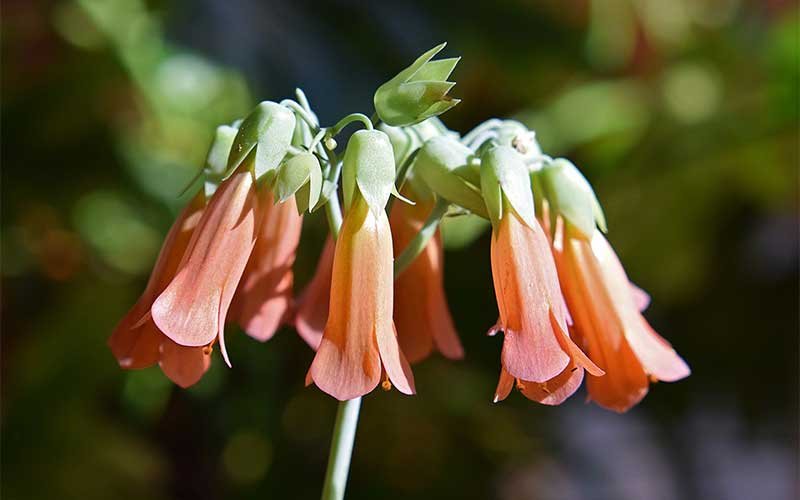
Also known as Bryophyllum delagoense or Mother of Millions, is a rapid-growing succulent that asexually reproduces wherever it lands. It produces small plantlets at the ends of its leaves. It’s often confused with the Kalanchoe Daigremontiana, or Mother of Thousands, but the latter has broader leaves.

The Kalanchoe Delagoensis is native to Madagascar. It’s a very invasive plant that you must learn to control how it spreads. It is an upright plant with thin, narrow leaves and orange blooms that can attract anyone’s attention. However, the plant can pose a real threat to pets because of the bufadienolides it contains. Bufadienolides is a toxin that can cause heart failure when ingested. Other symptoms include gastrointestinal irritation, upset stomach, vomiting, and diarrhea.

Kalanchoe Tomentosa

Kalanchoe Tomentosa
Commonly called the “Panda Plant,” the Kalanchoe Tomentosa is a small plant with velvety leaves that has dark-colored edges. It can grow both indoors and outdoors. But despite having fuzzy features similar to a panda, the Kalanchoe Tomentosa is not a very pet-friendly succulent. All of its parts can be toxic to your pets when ingested. It produces insoluble calcium oxalate crystals that can remain in your cat’s mouth and cause oral irritation, vomiting, uncontrollable drooling, and difficulty in swallowing. Ingesting the calcium oxalate crystals is typically not fatal, and you can treat it by feeding your cat milk or water.

Make a careful consideration before deciding to include these two succulents in your garden. If you choose to grow and care for them, make sure to keep it out of the reach of your children and pets or keep it behind a small fence. We recommend that you grow it in a container or pot for convenience and safety reasons.

Keeping Cats Away from Succulents

There are measures you can take so your cats keep a safe distance from your succulents. Here are some of our suggestions:

Cage Them

Not your cats, of course, but your plants. You can use wired or metal cages to keep your cats away from your plants, or the other way around. Putting your toxic succulents in a cage ensures that they are protected from the curious paws of your pets, and most importantly, from the hands of your playful toddlers. Using wired cages allows your plant to get the sunlight and air circulation it needs while it’s in a safe spot.

If you don’t like how wired cages will look like in your home, you can use pretty bird cages like this to protect your plants and your pets fashionably.

Keep Your Cats Busy

Cats are curious animals. They are explorers by nature, so we recommend that you provide them with plenty of toys that can entertain them. By keeping them busy, you not only keep them away from your succulents, but you also improve their overall well-being. Here are some ways to keep your cats entertained:

Give them a scratch post. A scratch post is a must for cats. You can provide any spot with a rough surface where your cat can scratch his/her claws. It’s a natural impulse for cats to scratch and claw things, so it also for your best interest to provide your cat with a scratch post to avoid it from scratching your more important things.

Offer them plenty of toys. Cats are very fond of moving toys, so consider giving them a hanging toy. Provide a lot of these toys and spread them around your house to keep your cats busy and entertained. See some of our recommended cat toys here.

Keep Your Cats Busy

Separate Them

If possible, physically separate your plants from your pets by placing your plants somewhere that your cat cannot access. It can be a room that your cat cannot enter but make sure that sunlight still pours in so your plant does not die.

Provide a Plant Exclusively for Your Cat

Luckily, there are plenty of houseplants that your cats can safely enjoy. The goal is to provide them their plant so they leave your succulents alone. The houseplants that most cats love include Cat Grass, Catnip, Catmint, and Boston Fern.

A word of caution though: While these plans are safe for cats, it can cause overstimulation, especially catnip. We recommend that you monitor your cat’s activity the first time you introduce the plant to them.

Grow Plants That Cats Hate

The scent of some plants is repulsive to cats. Place these plants around or beside your succulents to keep succulents away. The plants that cats hate the most are rosemary, citrus, lavender, rue, and the Coleus Canina, also known as the “Scaredy-Cat” plant.”

Use a Natural Cat Repellent Spray

There are natural sprays that can deter cats away. There are a lot of commercial sprays you can purchase online, like this all-natural cat repellent from Critter-Repellent. It’s convenient and safe to use around children because it’s non-toxic.

Don’t Make Your Succulents Too Attractive

Place sticks or skewers around your succulent to prevent your cats from damaging your plants or the soil. You can also put small rocks with sharp edges on the soil to discourage cats from touching your plant.

It can be a challenge to have both cats and succulents in the house, but with the information given above, you can have them safely coexist in your home.

If you need more information about growing and caring for succulents, please visit our website at https://eden-succulents.us7.cdn-alpha.com. We provide comprehensive guides in caring for different succulent varieties. If you can’t find the information you are looking for, please leave a message in the comment box below, and we’ll be happy to provide you with all the answers you might need.

Yaheetech 59-inch Rolling Standing Large Medium Dome Parrot Bird Cage

Yaheetech 59-inch Rolling Standing Large Medium Dome Parrot Bird Cage

Dimension: 23.2 x 23.2 x 59.1″ (LxWxH), Cage Size: 19.7 x 19.7 x 31.5″(WxDxH), Door Size:14.8 x 9.4″ (LxW)
Shake-Away All Natural Cat Repellent for Domestic Cats

Shake-Away All Natural Cat Repellent for Domestic Cats

  • Easy to use, All Natural Animal Repellent Infused with the Strongest Force in Nature- Fear!
  • ALL NATURAL – Nature’s Most Powerful Repellent – Animals’ inborn fear of predators
SmartCat Pioneer Pet Ultimate Scratching Post

SmartCat Pioneer Pet Ultimate Scratching Post

  • 32″ height allows cats to stretch fully and tone muscles
  • Sturdy 16″ by 16″ base eliminates tipping and wobbling
  • Fibrous and durable woven sisal naturally inspires scratching
Haierc Funny Cat Toy Electric Automatic Rotating Butterfly Cat Toy

Haierc Funny Cat Toy Electric Automatic Rotating Butterfly Cat Toy

  • Perfect Cat Toy: This cat toy can help your cat stay active, do more exercise and increase their interest.
  • Size: 8.2X7CM (3.2*2.8″)
A Comprehensive Guide to Kalanchoe Tublifora Care and Toxicity

A Comprehensive Guide to Kalanchoe Tublifora Care and Toxicity

Kalanchoe tubliflora is an invasive succulent that goes by several names, including Kalanchoe delagoensis, Bryophyllum delagoensis, Chandelier Plant, Devil’s Backbone, and the most common one – Mother of Millions. The Kalanchoe tubliflora is often confused with the Mother of Thousands, also known as the Kalanchoe daigremontiana. However, the Kalanchoe Tubliflora has narrower leaves compared to the Mother of Thousands.

A rapid-growing plant native to Madagascar and Mozambique, the Kalanchoe tubliflora propagates wherever it is planted, hence the name Mother of Millions. It’s called Chandelier Plant because of its upright, thin, and cylindrical leaves. The leaves are grey-green with dark purple blotches. Hundreds of plantlets grow on the tips of these leaves.

These plantlets can tolerate any growing conditions like drought and mild freezing temperatures. Their seeds can even survive for years, even when the mother plant has been uprooted. They are very resilient. They are considered weeds in some parts of the world because they can kill choke other plants. They are fascinating plants and are relatively easy to care for and propagate.

Caring for the Kalanchoe tubliflora

There is probably no succulent easier to grow and care for than the Kalanchoe tubliflora. They thrive on neglect and practically care for themselves. They even propagate on their own. The most common reason for this plant’s death is too much love and care.

Where to Grow

The Kalanchoe tubliflora can be grown indoors and outdoors as long as you provide them with well-draining soil, adequate sunlight, and sufficient water. They are highly resilient so they can withstand all the natural elements outdoors, but if you need to take them indoors during winter, make sure to give them enough outdoor time in the summer for them to continue thriving.

Indoor Light Needs

When growing a Kalanchoe tubiflora indoors, make sure to place it somewhere that gets plenty of sunlight. The best spot is an east-facing window, but you may also try your south- and west-facing windows. Try moving your plant around a few times to see where it gets the most sunlight. On average, succulents need 4-6 hours of sunlight every day to keep them happy. If your plant starts stretching and is not producing new growths, it means it is not getting the amount of light it needs.

An etiolated succulent uses all the nutrients it has to stretch in search of more light. Hence it stops producing new leaves and appears to be more leggy than usual. However, this is not a normal occurrence for plants. It might look taller, but it is suffering from weak and stunted growth.

When this happens to your Kalanchoe tubiflora, it is suffering from lack of light, the best thing you can do is to move it somewhere brighter. During the dark winter months, consider using a grow light to provide the light it requires for photosynthesis.

Indoor Light Needs

Outdoor Light Needs

The Kalanchoe tubiflora loves bright, partial sunlight, so consider placing under light shade. If you want to put it under full sun, make sure to acclimate it first to avoid sunburn. Gradually increase the amount of sunlight it receives until it is fully adjusted. The plant gets a grayish purple color with dark spots when it is exposed to full sun. The spots on the leaves will also increase as they receive more sunlight. Keep in mind that even when the plant is already acclimated to full sun, it is still susceptible to sun damage, especially during a heatwave. Intense heat can cause the leaves of your succulent to thin out and dry up.

If you think the heat in your location is too intense, especially during summer, use a shade cloth to protect your succulents from sun damage. A shade cloth can limit the amount of harmful light they get while still allowing air to circulate in your garden.

Hardiness

Mild frost and freezing temperatures are tolerable for the Kalanchoe tubliflora as long as they are not for long periods. They are recommended for those living in the USDA hardiness zones 10-11, where they can be left outdoors all year long. They can also survive night rains and frost as long as they get bright sun during the daytime.

If you live where the winter condition is extreme, we recommend that you grow your Kalanchoe tubliflora in pots so you can bring it indoors anytime there is a forecast of snow, frost, or rain. If it’s not possible to bring your plant indoors during extreme weather conditions, put it in a portable greenhouse along with your other succulents. Putting them in a portable greenhouse can help them survive the perils of winter.

Hardiness

Soil Needs

The Kalanchoe Tubliflora are known to be hardy plants that can grow under any condition. They can even grow in concretes. But in order not to jeopardize the growth of your plant, use a well-draining potting mix for its soil. You can make your soil for your succulent by putting cactus mix, perlite, and coarse sand together in a pot. Alternatively, you can buy a ready-to-use succulent soil mix online.

Water Needs

As with most succulents, the watering techniques for Kalanchoe tubliflora depends mainly on the climate you live in. There is no set schedule or formula.

To give you an idea, succulents grown in places with arid climates can benefit from weekly watering. Cut down on watering when the weather cools down. During winter, hold back from watering your succulents and observe the soak-dry method. The method requires you to wait for the soil to dry up before you water your plant again, thoroughly drenching it until water comes out from the drainage holes. An accurate way of measuring the moisture level of the soil is to use a hygrometer.

Propagation

The Kalanchoe tubliflora requires little effort to propagate. You don’t need to do anything to make it multiply. You just have to wait for a little while until plantlets appear on the tips of the leaves. These plantlets will root wherever they land, which is almost everywhere. But if you are curious, these plants can be propagated through leaf and stem cuttings.

The real challenge in propagating the Kalanchoe tubliflora is controlling its propagation before it takes over your entire garden. It’s a highly invasive plant and has the tendency to choke other plants when placed in similar containers or soil, so it’s better that you keep an eye on it.

Toxicity

Toxicity

An important thing to remember when growing Kalanchoe tubliflora is its toxicity to pets. ASPCA considers all parts of the plant as toxic to animals because of the bufadienolides it contains. Bufadienolides is a toxin that can cause mild to moderate and rarely severe symptoms when ingested. The most common symptoms are gastrointestinal irritation and upset stomach. When consumed in large amounts, it can cause abnormality in heart rate and rhythm. For your pet’s and succulent’s protection, practice safety measures when growing this plant.

If you want to grow a plant that is easy to care for, quick to propagate, and hard to kill, we recommend that you get a Kalanchoe tubliflora. It thrives in any condition, and it is fun to watch how rapid it multiplies.

For all things succulent, please check out our website at https://eden-succulents.us7.cdn-alpha.com/. It is our goal to provide you with the best information about growing and caring for different succulent varieties. For your questions or suggestions, please leave us a message in the comments box below.

Byingo 2ft 32W Plant Grow Light

Byingo 2ft 32W Plant Grow Light

Full spectrum add lights to help plants grow, sprout and flowering, rapidly promoting leaves and flowers blooming. Help plants absorb nutrients, especially some trace elements.
Black Shade Cloth Taped Edge with Grommets

Black Shade Cloth Taped Edge with Grommets

  • SIZE:10ft X 20ft,Every 2ft One Grommet -Customized Sizes Available
  • Polyethylene, Lightweight and durability
Hoffman 10404 Organic Cactus and Succulent Soil Mix

Hoffman 10404 Organic Cactus and Succulent Soil Mix

  • Organic cactus and succulent soil mix
  • Professionally formulated for use with both jungle and desert cacti
Gouevn Soil Moisture Meter, Plant Moisture Meter Indoor & Outdoor

Gouevn Soil Moisture Meter, Plant Moisture Meter Indoor & Outdoor

SIMPLE and EFFECTIVE: Gouevn Soil moisture meter only for testing soil moisture, basic model works stably. Plug and read, responds quickly and provides easily readout. Large dial, ten scales. Includes watering guide for 200 plants printed on the back of the packaging.
A Guide to Propagating and Caring for Echeveria Neon Breakers

A Guide to Propagating and Caring for Echeveria Neon Breakers

Echeveria Neon Breakers make for fantastic houseplants. They are super easy to grow, and they have brilliant colors that can brighten any garden.

This pretty succulent from the Genus Echeveria falls under the Crassulaceae family and a patented succulent developed by Altman Plants. It’s an O’Connell hybrid that’s a cross between the Echeveria “Pink Frill” shaviana succulents and an unknown parent.

The Echeveria Neon Breaker, also known as Mexican Hens and Chicks, is famous for several apparent reasons. It tolerates drought better than most Echeverias, grows faster, and even more tolerant to pests. It also doesn’t suffer dormancy or shutdown like other succulents.

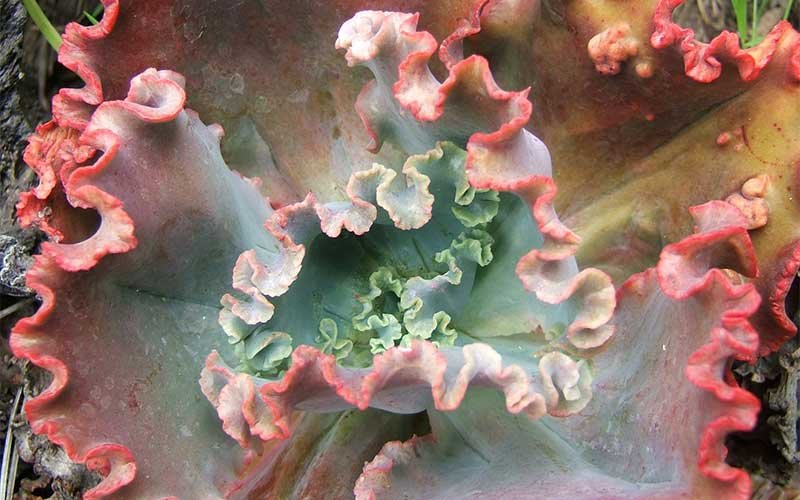
The Echeveria Neon Breaker forms a rosette that comes in pink, purple, and blue-green. Its leaves have hot pink wavy, crinkled edges, and texture that is not common to Echeveria cultivars. When first planted, the Neon Breaker has blue-green leaves with pink tips, but as it receives more sunlight, it displays a beautiful sunset-like color. The blue-green leaves turn into a combination of deep purple, magenta, and pink. The colors become more vivid in summer and early fall. During this time, tall, purple stalks start growing in the middle of the rosette, where vibrant pink flowers will later on bloom. The rosette can grow up to 8cm in diameter and 6cm in height.

Caring for Echeveria Neon Breaker

Soil Requirements

In their natural habitat, Echeverias grow on mountainsides in high altitude rocky areas. In this habitat, the water quickly drains away, so the roots don’t remain wet for too long. That said, you must provide it with well-draining soil, so its roots don’t get waterlogged. Choose a sandy soil like cactus or soil mix which will allow for quick draining of water. You can make your own soil by adding perlite to coarse sand and cactus soil.

Water Requirements

A mature Echeveria Neon Breaker is drought tolerant. It thrives on deep, infrequent watering. Water when the top inch of the soil feels dry. You may need to water more during the warmer months, and less when the weather cools down. Water it thoroughly, especially during its growing season. Water the soil directly and don’t let water stay on the leaves to prevent leaf rotting. Watering frequency is highly dependent on the climate where you live, so be sure to test the moisture of the soil first before watering it again.

Pot Requirements

Pot Requirements

Plant your Echeveria Neon Breakers in a pot with a size that’s five to ten times bigger than the size of the plant at the surface. Pick containers with enough drainage holes to make sure that the roots of your succulents do not sit on wet soil for too long, lest it rots.

Feeding Requirements

Echeveria Neon Breaker grows well without fertilizer, especially if you repot it regularly in fresh potting mix. If your succulent has been sitting on the same old potting mix for a while, fertilize it with the appropriate diluted fertilizer for succulents. Feed your Neon Breaker during its active growing season every two weeks.

Light Requirements

This Echeveria cultivar requires bright sunlight to keep its colorful leaf margins. Like most succulents, Neon Breakers need about 4-6 hours of bright sunlight daily to remain happy. The smaller and newly-propagated plants will not be able to handle the intense heat or sunlight, so we recommend that you use a sunshade to filter the sunlight they receive to prevent sunburn. For most succulents, acclimatization to full sun is required to avoid damage from intense heat or sun. Still, fully-acclimated succulents are susceptible to sun damage, especially during extreme heat.

On the other hand, plants that do not get enough sunlight will suffer from etiolation. Etiolation is an abnormal occurrence in succulents that is caused by a lack of sunlight. When your plant is not getting the sunlight it needs for nourishment, it uses all its energy to stretch to find a spot where it can get adequate light. When a plant is etiolated, it will look leggy and will stop producing new growth.

When your Echeveria Neon Breaker is etiolated, move it to a location that gets plenty and brighter sunlight. When grown indoors, the best spot to place your Echeveria Neon Breakers is an east-facing window. But if you live in a place where you get low light or long dark winters, we recommend that you supplement your plant’s sunlight needs with the help of a grow light. A grow light can provide the light that your plant needs for photosynthesis.

Frost Tolerance

This hardy succulent is recommended for those living in USDA Hardiness Zone 10. If you live in this zone, you can leave your Echeveria Neon Breakers outdoors for the whole year. If you live somewhere colder, it is best to plant your succulent in a container so you can bring it indoors during rain, snow, or frost. If it’s impossible to bring your Neon Breakers indoors during extreme winter conditions, you can also put them in a portable greenhouse to protect them from the harsh weather. The extreme cold can cause scarring of leaves on your Neon Breakers.

Frost Tolerance

Propagation

Propagating Echeveria Neon Breakers is done through a mature leaf or stem cuttings. However, this plant is patented, and some shops state that the propagation of this plant is prohibited.
When you get a plant that is patented, like the Echeveria Neon Breaker, you only gained the right to use the plant, but you are not, in any way, allowed to propagate it. As odd at it may seem, it’s technically illegal to asexually propagate your patented plants such as by trimmings or cuttings.

However, you could multiply your plant by allowing it to sexually reproduce through pollination. Natural propagation can also occur when a leaf falls and roots in nearby soil. If you don’t want this to happen, we recommend that you remove old leaves on your plant before they drop and root. Echeveria Neon Breakers also produce offsets around the base of the mother plant.

It is essential to learn how to make the Echeveria Neon Breaker bloom so you can encourage pollination. Some of your plants may take time to produce flowers, while some may not bloom at all. If you provide the proper care mentioned above, you have a higher chance of seeing your plant bloom. Producing flowers require a lot of energy from plants, so your Echeveria Neon Breaker must be well-nourished to help it bloom.

Another reason why some plants do not produce flowers is that they did not go through the cooling process called overwintering. Overwintering requires that you keep your plants cool and relatively dry during the cold months. If you are growing your Echeveria Neon Breaker indoors, don’t put them in a heated room for them to get the cold period that they need to bloom.

Propagation

If you love Echeverias like we do but you find them slow-growing and delicate, then the Echeveria Neon Breaker is the best cultivar for you. It will look great on your patio and will make any dish garden and open terrarium more attractive. You can even use the larger ones for bouquets!

For more information about growing and caring for succulents, please feel free to visit our website at https://eden-succulents.us7.cdn-alpha.com. We provide the most comprehensive guides about all things succulents so you can enjoy growing and caring for these amazing plants.

7.3 inch Round Succulent Planter Pots

7.3 inch Round Succulent Planter Pots

Artketty’s round succulent planter is made of rich glazed ceramic by baking in high temperature, beautiful planter with smooth finishing, perfect for dsiplaying bonsai flowers and topiary plants. This succulent pot makes a best gift ideas for people with talented hands and love indoor planting.
Miracle-Gro Succulent Plant Food

Miracle-Gro Succulent Plant Food

  • Instantly feeds succulent plants, including cacti
  • For all cacti, jade, aloe and other popular succulents
  • Feeds instantly
WILLS Newest Reflector Series Grow Light

WILLS Newest Reflector Series Grow Light

HIGH PAR VALUE- The big difference of us is the scientific reflector design, it can increase up to 30% of the light, and 100% of power usage toward actual growth, which improve efficiency of light. However, other without reflector reflect over 90° that increase coverage area with low impact light and waste energy.
Quictent Waterproof UV Protected Reinforced Mini Cloche Greenhouse

Quictent Waterproof UV Protected Reinforced Mini Cloche Greenhouse

ITEM EXACTLY MATCH THE DESCRIPTION—-From the real customer feedback & review, no need to worry the item you received is not the one you had ordered. Heavy-duty powder coated steel framework + UV protected、Waterproof 、Reinforced 、Transparent PVC cover (with ropes let cover and frame combined better).