skip to content
Eden Succulents
An Intensive Care Guide for Lithops

An Intensive Care Guide for Lithops

Lithops needs too little attention, and it makes them extremely challenging to care for. They thrive on neglect, but they are also too intriguing to be ignored.

What are Lithops?

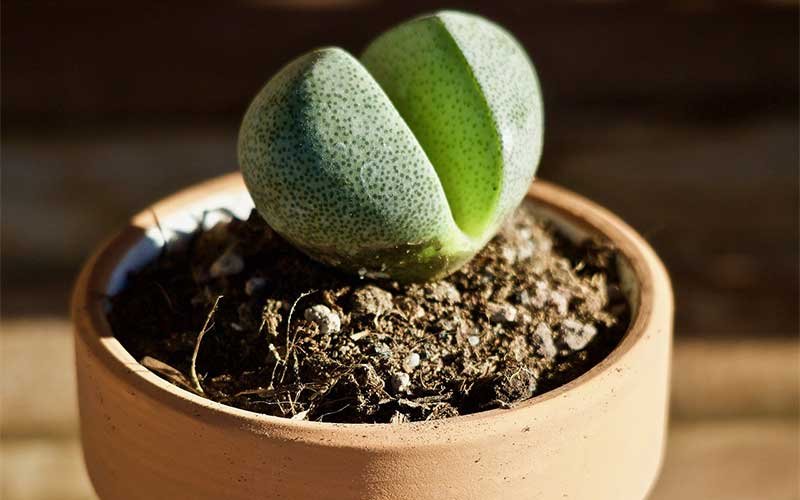
Lithops come from the word “lithos” (rock), and “opsis” (similar to). These succulents are often called “Living Stones” or “Flowering Stones” because of their size, shape, and color that resembles small stones. They have a low stature and rocky texture that helps them blend in among the rocks in their natural surroundings. Grazing animals often overlook them, and even experts in the field experience a hard time locating them for study because of their remarkable camouflage.

When it comes to conserving and storing water, Lithops are probably the best of its kind. These plants are native to South Africa. They grow in dry regions that receive little to no amount of rainfall throughout the year. During extreme drought, one species of Lithops depend on mist and fog for moisture. This probably explains why this succulent looks strange.

The body of Lithops is comprised of two leaves that are fused but is divided by a slit. The plant does not have an actual stem. The taproots connect directly to the base of the leaves. The structure of the Lithops reveals the harsh conditions in which it lives.

The shortage of water demands that young plants can only have two leaves and roots because having more will only require them to need more water for survival. Adult Lithops can have more leaves connected to the same root. Lithops has thick leaves that can store enough water for them to survive until the next rain comes.

These succulents are not toxic to people and animals, so just in case you find yourself in a desert with a water emergency, you can consider eating Lithops for survival.

Lithops also has a remarkable way of getting sunlight. It might seem that because their body is mostly underground, only the top of their leaves get sun. But this part of the plant contains cells that act as the opening where sunlight can penetrate deep into the plant. Being underground helps them live safely from the sun and their predators.

Soil Requirements

Like most succulents, Lithops originates from arid regions. For that reason, they need fast-draining soil. These plants, however, require a more specific type of soil. Lithops are like rocks, and rocks like to be around other stones.
So, we recommend that you plant your Lithops in soil that contain very few organic matters. Mix one-half soil with one-half perlite, but you can reduce the amount of soil for better results. Lithops thrives well without soil, but they rely heavily on other minerals for nutrients.

Soil Requirements
The best time to repot your Lithops is in the spring or autumn. Replant your succulents just before you water them. Watering will encourage new roots to grow and helps the plant stabilize in the new pot. But if you need to repot your plants during summer or winter when they do not need to be watered, refrain from watering them.

Water Requirements

Knowing how to water Lithops is a crucial thing to learn. Lithops don’t follow the same care guide as with other succulents. Their unique seasonal cycle dictates when and how they should be watered.

Lithops are dormant during summer, and watering them during this season can kill them. They are accustomed to bone-dry conditions during this season. They will become mushy and will eventually rot if you water them. If they turn wrinkled, give them a small amount of water, and they will look healthy again in a week.

As autumn starts, Lithops also resume their growth. The first signs of bloom start to emerge. When the bud becomes a flower, new leaves begin to grow. Give it a good drench at the beginning of this season, and water again when the soil completely dries out.

Remember not to water your Lithops during winter. During this season, the new leaves get their water from the old ones. If you water them, the old leaves will consume it, which will confuse the plant’s growth. This will cause both old and new laves to die. Refrain from touching your Lithops during this season. They are not accustomed to cold climates, so take them indoors when the temperature drops below 55°F.

Come spring, the old leaves have withered, so you can remove them and resume watering. Water lightly at first and gradually increase to full drench when necessary to encourage new growth.

Sun Requirements

Getting enough sun keeps succulents vibrant. Lithops enjoys plenty of sunlight, so place them under direct sunlight. However, be careful with exposing them to direct sunlight if they’ve just come from the store as this can result in sunburn. Lithops needs five hours of direct sunlight every day. For the remainder of the day, they should be under indirect sunlight.

Propagating Lithops

Lithops only have two leaves, so propagating them through their leaves is not advisable. The most common way to reproduce them is through their seeds. During autumn, the flowers of Lithops open up. They look like daisies and come in white, yellow, or orange. Use a Q tip to cross-pollinate them. When the flowers die, they will leave behind pods that contain seeds. Save the seeds and start growing your living stones!

Do you grow Lithops? Share your experience with us in the comment box below!
A Guide to Succulent Types that Improve Air Quality

A Guide to Succulent Types that Improve Air Quality

More toxins are floating around in the air than we know. Every day, we are exposed to toxins coming from cars and industrial facilities. We step inside our homes and offices thinking they can shield us from air pollution, not knowing we are still exposed to various harmful chemicals.

Unfortunately, radiation is a real thing. Polluted air can penetrate inside our homes while some of our home furniture and household supplies give off toxins as well.
The good news is, owning a succulent can help improve the quality of the air around you. These plants remove toxins, improve the flow of air, and humidify your dry air indoors.

Harmful Toxins in the Air

The toxins found in the air are generally known as volatile organic compounds. Common household supplies like detergent, paper towels, and tissues, and other cleaning products give off volatile organic compounds such as benzene, formaldehyde, and ammonia. It’s ironic how these cleaning products may not be doing their jobs after all. Household items like ovens, carpets, gas stoves and paneling are also common sources of toxins in the home.

Ozone is another severe contributor to air pollution inside offices. It’s an odorless and clueless gas produced when chemicals react with oxygen. It is invisible to the naked eye, so we do not know whether it’s present and damaging our health. Ozone inside offices comes from laser printers, copy machines, UV lights, and even some electrostatic air purifiers.

According to a study, indoor air contains higher levels of volatile organic compounds. There are even cases where the toxins are ten times higher indoors than outdoors because pollutants do not easily separate from indoor air. This means that by going about your typical day, you are already exposed to so many toxins.

The symptoms of being exposed to harmful toxins include itchy eyes, sore throat, headache, and nausea. These symptoms sound like someone having seasonal allergies, so there is a high chance that the poor quality of indoor air may also cause this kind of allergies.

How Succulents Remove Toxins

How Succulents Remove Toxins

It is, of course, impractical to throw away all the household products and supplies that give off harmful chemicals. You also don’t need to spend much on organic cleaning products because fortunately, the best way to improve your indoor air quality lies in something you already have – plants.

According to the NASA Clean Air Study published in 1998, plants can effectively cleanse the air from unwanted and unnecessary pollution. For the study, NASA built the BioHome, a fully functional home that could sustain the needs of one person. The home had a garden and separate systems for water purification and waste management. To keep it sustainable, NASA built the BioHome using synthetic materials and made it airtight.

However, anyone who would go inside the BioHome experienced a burning sensation in their eyes and difficulty in breathing. It was found that the volatile compounds from the synthetic materials used to build the home were polluting the air.

NASA found a solution in the form of plants. From years of studying volatile compounds, they were aware of how they worked, and they knew that plants could absorb these toxins. After adding houseplants like Snake Plant to the BioHome, nobody complained of burning eyes and breathing problems anymore, and tests showed that most pollutants in the air were gone.

Aside from improving air quality, plants are also known to boost the productivity and concentration of people inside an enclosed space. It can also improve mood, enhance memory, diminish stress, and ease fatigue and exhaustion.

The study suggested having three plants for every 100 square feet in your home or office, but it is better to test the suitability of the plant to your space first.

What Makes Succulents Special

What Makes Succulents Special
Oxygen is essential for our bodies to function normally. It aids in our breathing, thinking, metabolism, and blood circulation. Our primary source of oxygen are plants, including succulents, and they absorb carbon dioxide that we secrete. During the daytime, plants take in carbon dioxide and give off oxygen through photosynthesis. In the absence of light, however, most plants release half the carbon through respiration. Succulents are among the few plants that release abundant oxygen through the night.

Here are four types of succulents that you can place inside your home to make sure your indoor air is free from harmful toxins:

1. Aloe Vera

Aloe vera effectively cleanses the air from benzene and formaldehyde. It is also used for various medicinal and beauty purposes. It is a great indoor plant that’s easy to grow and propagate.

2. Corn plant

Corn plant, or Dracaena fragrans, cleanse the air from formaldehyde, trichloroethylene, and benzene. It can grow to over 6 feet tall and spreads to two-three feet wide. It requires low and indirect light, so they are perfect for indoors.

3. Janet Craig

Janet Craig rids the air of formaldehyde, trichloroethylene, and benzene. It requires medium indirect sunlight, but it can also survive with minimal light. It is often used as a floor plant in indoor spaces.

4. Red-Edged Dracaena

Also known as the Dragon Tree, the Red-Edged Dracaena removes formaldehyde, trichloroethylene, benzene, xylene, and toluene from the air. It gained its name from the unique reddish-purple edges of its leaves. A mature Red-Edged Dracaena can grow to over 6 feet tall indoors. It thrives under full sunlight but can also survive low light conditions.

If you want to improve the quality of your indoor air, succulents are the best solution. If you don’t own one yet, it’s time to get some!

How to Grow and Care for Ionantha Fuego

How to Grow and Care for Ionantha Fuego

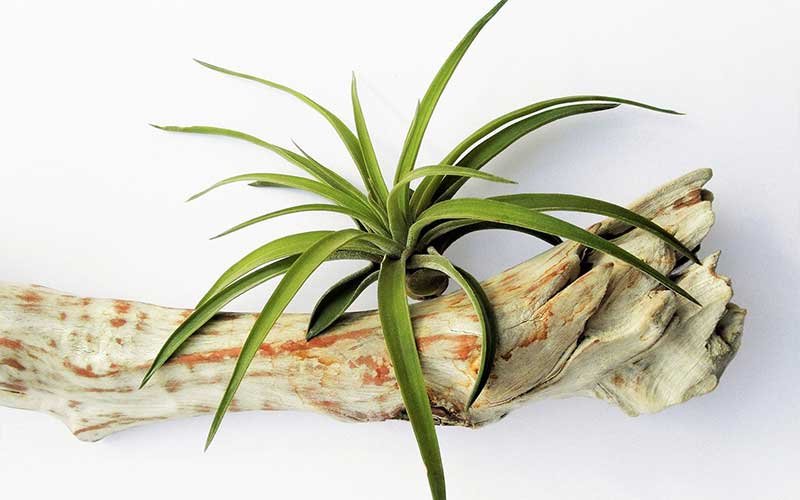
The Ionantha Fuego is a small plant that has vibrant green leaves. When they bloom, they will turn into red or orange colors along with their purple flowers. These plants are great for terrariums, crafts, and also for growing.

Tillandsia Ionantha Fuego is a native plant of Mexico and South America. They can grow well in sub tropic environments with humid forests and warm climate.

How to Care for Ionantha Fuego

Tillandsia Ionantha Fuego is one of the easiest plants to care for. Although their roots are fine, yet they are sturdy enough to support the plant. Nevertheless, they are not mainly used for distributing the nutrients. If you want to grow these plants, then keep in mind that they favor humidity, warm to hot temperatures, as well as sufficient air circulation.

These plants can thrive outdoors, specifically in zones 9+. However, they require protection whenever the temperature gets below 50°. Although you could also choose to grow these plants in synthetic environments, just keep in mind that you have to mist them regularly. Also, be sure to provide them with 12 hours of airflow and sunlight. Just like the other varieties of Tillandsia, these plants do not need any soil but require sporadic fertilization.

Sadly, Tillandsia Ionantha Fuego will perish after producing some flowers. The good thing is they will generate pups, otherwise known as offsets. These offsets can grow into new plants. You can simply leave them to grow and when they become mature you can break them off and transfer them in other areas. Sometimes your plant will look sick after producing flowers, but no worries, this is just normal. Do not throw them yet, just continue caring for them like you normally do. Then, you can see the pups will develop in no time.

Overwatering these plants can make them rot. Sometimes you think that they have died but they just need some water.

How to Grow Tillandsia Ionantha Fuego in Glass Globes

What Makes Tillandsia Ionantha Fuego Unique?

Ionantha Fuego is not your ordinary kind of house plants. Since they grow uniquely, sometimes it can be very confusing for beginners. They do not require too much attention and they are very hardy too! The fact is, they can thrive with sporadic bathing and water misting whenever the climate is not extremely dry.

These plants should not be grown in the soil and be sure to keep them away from frosts. Always provide them with bright light. If you grow them indoors and there is no sufficient air, then you need to submerge them in the water for at least two to three hours every two weeks.

If you want to fertilize them, then simply add a small amount of Bromeliad or Orchid fertilizer into your mister. If you are growing them in an unheated home, then you can soak them once a month when the weather is cold and once or twice a week during the summer.

How to Grow Tillandsia Ionantha Fuego in Glass Globes

Growing air plants in glass globes are becoming more and more popular these days. If you are growing a larger globe, then it will require more care. Right after you purchase your plant, you have to soak them for about 20 to 30 minutes. You will know that you have a happy plant if it’s got the right size and color. Always make sure that your plant is completely dry before putting them into the globe.

As much as possible, mist your air plant every four to five days. If you have a small globe, then one spray will do, however, if you have large globes which are three to five inches, them they will require between two to three sprays. If you placed them in a large open globe, then you have to spray them a number of times. This is because if you have a smaller globe, then it has less circulation and it can hold the moisture for a longer period. Avoid overwatering your plant since it will die.

If you think that your plant does not look happy and healthy anymore after soaking, then you have to remove them and soak them for about 30 minutes to one hour. Shake them off to remove the excess water and place them back in the globe.

How to Care for Ionantha Fuego
Avoid placing your globes in front of a window where there is direct sunlight since this can intensify the heat. It is best to put them in indirect light. These plants can even grow when you place them in low to moderate light.

How Much Light Does Tillandsia Ionantha Fuego Need?

Generally, these air plants require bright filtered light. Although they can tolerate more light if there is more humidity in the air. Other varieties, such as the Harissii and Xerographica, can be grown outdoors in full sun. However, they can quickly burn when placed in a greenhouse with no shade. It is also not advisable to place them in a sunny room with an unshaded glass since the air can dry out quickly. If you place these plants in a very sunny area indoors, then you have to mist them every day or soak them every week, depending on what is more preferable to you.

If you can’t provide them with natural sunlight, then it is best to give then a full-scale artificial light just like a fluorescent. You can place them six inches away from the fluorescent tubes but not father than 36 inches. These plants should only be exposed to light for 12 hours each day.

What Is the Ideal Way of Watering Your Tillandsia Ionantha Fuego?

You must wet your plant completely for at least two to three times each week. When it is hot, its best to water them more often. But when the weather is cold, you don’t need to water them more often. You have to keep in mind that when it is extremely dry and there is insufficient moisture, then this plant cannot get water from its roots. They don’t store water internally just like succulents do. You might observe that they look fluffy. But the truth is, this is just a covering of special cells that can help them absorb water and nutrients.

Have you grown your own air plant before? If not, then now is the best time to do so. No worries, if you encounter any problem, just let us know. Here at Eden Succulents, you can find a lot of information about growing and caring for different varieties of succulents and air plants.

Airplants Tillandsia Red Ionantha Fuego

Airplants Tillandsia Red Ionantha Fuego

  • These are excellent plants for terrariums.
  • They are hardy, and only require a weekly misting.
  • They bloom purple flowers.
  • They are a rare variety from Guatemala.
Small Tillandsia Air Plants, Ionantha Fuego Plants

Small Tillandsia Air Plants, Ionantha Fuego Plants

  • These are excellent plants for terrariums
    Size: 1/2″-3″. Color: Most start green then blush red/pink
  • Air Plants make a unique gift or party favor that your friends will adore
  • They are hardy, and only require a weekly misting.
What You Need to Know About the Growth and Care for the Aloe Vera Plant

What You Need to Know About the Growth and Care for the Aloe Vera Plant

Aloe vera is perhaps the most ubiquitous of all succulents. It’s small, gorgeous, and easy to grow, which makes it the ultimate houseplant.

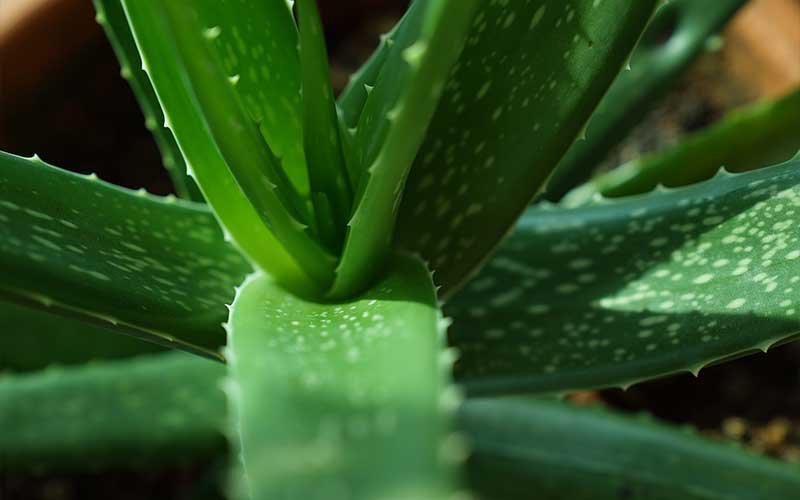
Aloe vera is a popular medicinal succulent. The leaves that emerge from the center of the plant are plump with light spots and slightly serrated edges. Because aloe vera is easy to care for and has multiple uses, it’s a staple houseplant all over the world.

What You Need to Know About the Growth and Care for the Aloe Vera Plant

What is Aloe Vera?

Aloe vera, a succulent native to the Arabian Peninsula, has a couple of scientific names including Aloe vera, Aloe barbadensis, Aloe vulgaris. It has many subspecies and numerous hybrids that identifying each one can get pretty confusing.

Aloe vera can grow fast outdoors but becomes slower when placed indoors. They can live for a long time, averaging between 5 to 25 years. It can grow to about 60-100cms tall.

Nowadays, the plant is grown not only for its appearance but also for its health and cosmetic purposes.

Aloe Vera Benefits

Aloe vera is incredibly versatile. The first records on the use of this medicinal plant date back to 2,200 BC years ago in ancient Egypt. It was regarded as a sacred plant that was key to achieving beauty, wellness, and immortality. Even Cleopatra, the epitome of feminine beauty, highly valued the nutritious juice extracted from this plant and used it as part of her daily skin and beauty regimen. Because of its antibacterial and anti-fungal properties, aloe vera was also used to embalm the dead.

Caring for Aloe Vera

Aloe vera is easy to care for. Although you don’t need to do much to make it thrive, there are a few things you need to remember to make sure it grows under the best conditions.

Water Requirements

Like all succulents, aloe vera does not need frequent watering. Water it once a week at most, or when you see that the soil is completely dried out. Overwatering is one of the top reasons why succulents die.

It causes the roots to rot, and eventually kills the whole plant from top to bottom. In the wild, aloe vera grows in dry and arid climates where they don’t get much rain. Because aloe vera is a succulent, it stores water on its leaves, which means they can survive for a long time without water.

When you water your aloe vera, make sure to give it a good drink, but don’t let it sit in water so that the soil doesn’t become soggy. In colder months, aloe vera plants go into dormancy, meaning it will need little water during that time. Mature aloe vera plants sometimes don’t need watering at all during that time.

If you’re unsure when to water your succulent, use a soil moisture gauge to help you figure out when it needs watering. Or stick your finger in the soil, and if it’s dried all the way, then it’s time to give it a good drench. As much as possible, avoid watering the leaves of your aloe vera as water can act as a magnifying glass for the sun and will cause your plant to burn.

Sun Requirements

What You Need to Know About the Growth and Care for the Aloe Vera Plant
Proper lighting is essential for aloe vera to grow well. A tall and leggy plant means it’s not getting sufficient sunlight. Aloe vera can grow outdoors under direct or indirect light. You can also place it by the window, or use artificial light. When your plant gets a lot of sunlight, it will turn reddish-brown, which is perfectly normal.

Be careful when moving indoor aloe vera out in direct sunlight, as they will be sensitive to the amount of light they’re suddenly getting. Gradually shift the amount of sunlight you give to your plants lest they get sunburned.

Soil Requirements

Aloe vera requires fast-draining soils. The soil works to eliminate excess moisture from its roots. If the excess moisture is not removed, the plant will drown. The soil must contain several inorganic substrates like pebble, sand, and perlite, and only a little organic matter.

If you’re planning to re-pot your aloe vera, use a container that has drainage holes. To prevent soil spillage, use a drainage netting to cover the holes. Use pots made from terracotta or clay because they wick water out of the soil to help it dry faster.

Fertilizer Requirements

It is not necessary to fertilize aloe vera, but they will benefit from being fertilized once in a while, especially during their growing season. If you plan to harvest the gel of your aloe vera, it is better to use an organic or compost fertilizer. Aloe vera can bloom. The flowers come in red, orange, or yellow and last a couple of weeks. However, indoor aloe vera plants rarely bloom.

Fertilizer Requirements

Pest Control

It is unusual for aloe vera to have pest issues, but mealybugs can sometimes attack plants. If you notice pests infesting your plant, dip a cotton swab in rubbing alcohol and use it to get rid of the bugs.

Usual Problems with Aloe Vera

Usual Problems with Aloe Vera

Sloppy stem

If your aloe plant has a mushy stem, it means it was overwatered and is now rotting in the base. If most of your plant’s stem is still firm, you have to act fast so you can save your plant. Cut off all the rotten parts and propagate the remaining healthy parts.

Brown leaves

If your plant has brown leaves, the first thing you have to check is the stem of the plant. If it’s still firm and healthy, check the leaves if they are mushy or shriveled. Soft leaves mean overwatered plant, while shriveled and dry leaves mean it could use more water.

Tall and thin plant

If your aloe plant is growing tall and thin, it means it’s not getting enough light. Move it near your window, or use artificial light like grow lights.

If you don’t grow an aloe vera yet, we highly recommend that you get one. These plants are easy to care for, and you can get the most out of them. Do you have any information to share about the growth and care of aloe vera plants? We’d love to hear what you have to say!

A Simple Guide to Growing and Caring for Harrisii Air Plant

A Simple Guide to Growing and Caring for Harrisii Air Plant

The Tillandsia harrisii is an air plant variety that has a robust look. This forgiving plant has silvery leaves. To keep them plump and fluffy, just water them frequently. Harrisii air plants are low maintenance. Tillandsia harrisii belongs to the genus Tillandsia. In 1987, Renate Ehlers provided a more detailed explanation about this particular species.

Tillandsia harrisii originated in Central America, particularly in Guatemala. Commonly, this plant exists in an area with an altitude between 0 and 500 meters above sea level. It has a medium stem with thick leaves forming into a rosette. Its leaves are in greenish-white. This plant can produce more or less ten flowers.

This extraordinary air plant takes its name from a Tillandsia fanatic who was killed in Guatemala in 1985. It can grow more than 8 inches tall and shows red inflorescence where its stunning purple flowers will bloom. Keep in mind that these plants are slow-growing. This means that you won’t see them bloom for a long period, but it’s truly worthwhile!

Tillandsia harrisii can endure some full sun, however, it is generally recommended that you have to provide them with bright indirect light. You should also water them at least once a week. These plants favor good airflow and can survive in low to moderate humidity since it has lots of trichomes.

Harrisii air plant can look excellent when placed in a bowl, terrarium, or attached to any piece of bark. As they become larger, they start to bloom. You can place them on a shelf or top of your table so you can marvel at its beautiful flowers! If you want to buy one of these species, then you can find them online.

Caring for Harrisii Air Plant

Caring for Harrisii Air Plant
The Tillandsia harrisii does not need any soil, simply provide them with lots of sunlight, water, and air. Air plants require indirect sunlight. You might keep them in a low light room but only for a short period of time. However, it is fine to expose them to direct sunlight in the morning or late afternoon. Consequently, this can even help in making the leaves look brighter. You can combine them with rocks, sand, shells, or sea glass but never use soil, moss or any absorptive materials on them. Here is a guide on how to care for your Harrisii air plant.

Soil

Air plants can survive without any soil since you only need their bare root. In growing your plant, you could use non-absorptive materials such as rocks, sand, or glass beads. You could display them as is or you could attach them to any objects with wire. Although it is not necessary, yet you could apply epiphyte/orchid fertilizer or a mild dilution of balanced fertilizer on them. Doing this every 2 to 3 months can promote its growth and flowering.

Light

The best area for your Harrisii air plant is near bright windows or skylights so they can receive lots of indirect light. Although they can tolerate direct sun temporarily in the morning or late afternoon. You could also place in low-light rooms but not for a long period.

Hardiness

Air plants can survive indoors with room temperature. However, they can also be grown outdoors in areas with zone 10 climates. They could be more vulnerable to drought when placed in an environment with more than 100F. Hence, it is ideal to grow them indoors throughout the year.

Water

The Tillandsia harrisii requires more water and can easily adjust to humid rain forests. There are three ways of watering this plant. First, you can simply mist them at least 3 to 7 times a week. Another method would be to soak them once a week for 1 to 2 hours. Lastly, you could submerge them entirely for 2 to 4 times each week. You need to shake them to remove the excess water and provide them with sufficient airflow to keep them dry within 4 hours. This can help in preventing rot.
water

Propagation

Although it could take years before Harrisii air plant can generate offsets after flowering. Most often, it will appear at the base of a parent plant. These pups will develop into clumps. If you want to separate these pups, then you can simply take away the clump once the pups have grown. These pups need to be watered diligently.

How to Identify Harrisii Air Plant?

Air plants can grow without needing any soil, making them great for any indoor space with bright or medium light. These stunning epiphytes are perfect for your home or office. They have an exotic look, unique fragrance, spectacular flowers, and various arrangement options.

This air plant comes in different varieties including green, white, pink, and purple. Exposing them to direct sunlight for a short period can make them look brighter. The leaves could either be thin or broad and includes a coating of short hairs that soak up water. Usually, they have a fluffy appearance, however, some varieties have wavy leaves. When there is less water, its leaves will swirl tighter.

Harrisii air plants can grow lots of leaves. In some varieties, the roots will appear. These roots can be used when attaching the plant to a tree. Although it is still fine if you have a rootless air plant. If your air plant is properly cared for, then it will produce flowers at least once in its lifetime. These fragrant and beautiful blooms come in different colors including pink, yellow, purple, or white. When they are done flowering, then you can simply cut the dry flowers at its base.

Air plants are very easy to grow. They are colorful, unique and low maintenance. If ever you encounter a problem in growing air plants, then its probably because they lack water, light, or airflow. Simply change the conditions and most likely the air plant can quickly recover. Harrisii air plant is the best houseplant for plant lovers as well as for beginners.

If you need more details about growing air plants and succulents, then you can find some tips at Eden Succulents. We offer valuable information to help you enjoy growing your plants. If you have a unique experience that you want to share, then please let us know in the comments below.

When deciding where to put your Tillandsia bulbosa, keep in mind that their natural habitat is relatively humid. That said, it will not tolerate a very dry environment. Consider putting it in your kitchen or bathroom where there is still adequate air circulation to prevent the growth of molds and fungus.
Tillandsia Harrisii Air Plant - Easy Care - Great in Terrariums - Air Filtering

Tillandsia Harrisii Air Plant - Easy Care - Great in Terrariums - Air Filtering

The Tillandsia Harrisii is a vibrant green air plant with a frosty look. It is a small Air Plant species, easy to cultivate and very versatile.
3 Pcs Harrisii Tillandsia Air Plant Lot (3 Pack)

3 Pcs Harrisii Tillandsia Air Plant Lot (3 Pack)

  • VALUE PACK – Includes 3 pcs harrisii tillandsia air plants
  • BEAUTIFUL MODERN HOME DÉCOR – in terrariums or as truly unique gifts for all occasions