skip to content
Eden Succulents
Succulent Tips for Beginners

Succulent Tips for Beginners

There is no doubt that one of the most popular plant groups at the moment is succulents. Its variety of colors, shapes, sizes, and textures is what makes people interested in them. By simply looking at Pinterest images and home décor magazines, you can conclude that people are getting crazy over succulents.

There are reasons why succulents are so popular. Perhaps because it has low maintenance or maybe because there are a lot of species that you can choose from. You can even make your DIY project using succulents. They can look stunning when used as a decoration in any room. You can either use one kind of succulent or combine different varieties. Succulents are very easy to grow, as long as you take good care of them. If you are a beginner and don’t know where to start just follow these tips.

Choose A Healthy Succulent

When purchasing succulents, make sure that it has great colors and has firm leaves. Inspect the plants carefully and ensure that there are no damages or insects.

Provide Them with Sufficient Water

Keep in mind that succulents can endure dry conditions. This means that it does not require too much water. Hence, you don’t have to water them too often. If the leaves of your succulents are already crumpled, then they require more water. On the other hand, soggy leaves are a sign that there is excessive water. As much as possible, try to have a consistent watering routine so your succulents can grow well. When the topsoil of your succulent is already dry, then it is time to water them.

Simply pour enough water into the pot until it goes through the drainage hole. During warmer conditions, you can water them every seven to ten days. However, during the cold temperatures, you can do it once or twice a month. But the truth is, there is no standard rule when it comes to watering your succulents since there are a lot of things that you have to consider. For instance, the size of your pots or plants as well as the weather condition in your area.

You should only water your succulents once it has completely dried up. To determine this, you have to dip your finger into the soil to test if it is still damp or has entirely dried up.

In case you overwater your succulents or they are flooded with rain, you should drain their containers to avoid rotting the plants. When there is excessive moisture, the leaves of your succulents will turn to yellow. To prevent overwatering, you can put pebbles under your terracotta pots before filling them with soil. However, using this material can dry out your plant instantly.

Provide Them with Sufficient Water

Use Containers with Drainage Holes

There are different varieties of containers that are available. It’s ok to use any type of containers, the most important thing is they should have drainage holes at the bottom to allow water to pass through.

Expose Them to Sunlight

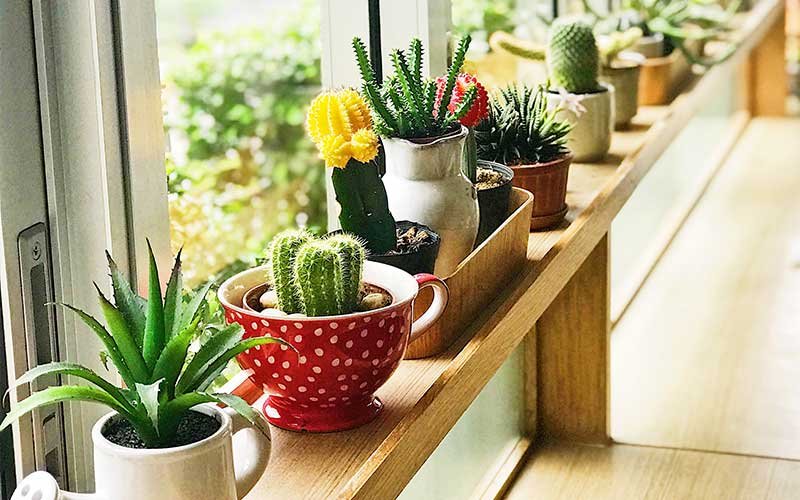
Most types of succulents require some light. Because of this, you must put them in a place where they can receive some sunlight such as near a bright window. You could expose them to the sun for at least four to six hours. During cold climates, you can transfer your outdoor succulents to your indoor pots. However, you should consider that indoor plants can’t bloom.

Some succulents can endure a little shade. Succulents that are grown in the limited shade can change its colors once they are exposed to excessive light.

Apply Some Fertilizer

Just like any other plant, succulents also require some fertilizer. Although some people think that fertilizers are not necessary. Most especially, if potting mix or a fertile soil is used in planting them. They can survive on their own with minimal nutritional supplements. Even when you are moving your succulents from your indoor pots to your backyard.

However, a little intervention might be required if overwatering occurred or the soil lacks nutrients. When choosing a fertilizer, ensure that it has low-nitrogen and specially made for succulent plants. When applying the fertilizer, be sure to place them on the base of the succulents. Try not to touch the plant since it can burn the leaves.

When there is excessive nitrogen in the soil, then it can cause rotting. Hence, if you want to transfer your succulent, then you should only use slow-release, low-nitrogen fertilizer. When applying them in small pots, be sure to dilute them with water and only use a small amount. Fertilizers should only be used when the plants are in their growth stage.

Some succulents can endure a little shade. Succulents that are grown in the limited shade can change its colors once they are exposed to excessive light.

Make Them Look Great

By eliminating any dead or decaying leaves, you can make your succulents look stunning. Be sure to also remove the insects in their surroundings.
A Guide to Help You With a Succulent Transplant

A Guide to Help You With a Succulent Transplant

Succulents are a favorite among plenty of gardeners. They are beautiful and enduring. Succulents can live in different weather conditions. They are the ideal plants for dry areas because they can store water in their stems, leaves, and roots.

I am sure you want to know the proper way of transplanting succulents. The good news is repotting succulents is very easy when done properly. Knowing the right way to transplant succulents is very important if you want to have a better chance of success and a healthy and stable succulent.

Each succulent is different from one another. Hence, you have to handle them differently. Try to recognize the succulents vulnerability as well as its potential hazards. For instance, you must be very careful when handling cactus because they have very sharp edges. Here is a simple guide that can help you in transplanting your succulents.

What Are Things That You Need?

Before you can start repotting your succulents, you need to prepare all the things that you need, including a pot or a container, potting soil, water as well as the succulent that you will be transplanting. To keep your hands safe, we also recommend that you wear a pair of gardening gloves. Here are the steps on how to transplant your succulent.

Prepare Your Pot

You need to fill your pot or container with a pre-mixed succulent soil. This can be bought at any local home improvement store. You can also choose to make your soil by mixing potting soil and perlite. If you are transplanting your succulent to a bigger planter, then make sure that there is enough space for your succulent to grow and stabilize.

Take Out The Succulent

Once you have finished preparing your new planter, you have to take your succulent out of its present pot. Take note on how far down the succulent is planted as you will want to mirror this when you place the succulent in the new pot. The proper way of doing this is to loosen the soil around the edge of the container and to fluff out the roots gradually. You will want to spread the roots out a little in their new planter so they can have room to grow. During this time, you can remove dead roots or dead leaves that are surrounding the plant.

Take Out the Succulent

Place The Succulent In The New Planter

After filling your potting container with soil, make a shallow hole in the soil and place your succulent in it. Use additional potting soil to cover any roots that may be sticking out. You may want to add more soil to make sure that the succulent is completely stable. The base of the plant must be covered with soil. However, make sure that the leaves are not covered with any soil. When the leaves are on top of the soil, they might get rotten. This is because they can soak up moisture from the soil.

Add A Personal Touch

After making sure that the plant is stable in its new home, then you can add some decorative elements to make it look attractive. For instance, you can add small rocks, sand, or pebbles on the top of your newly potted succulent. Just make sure that the material that you add can drain well so the water can run down into the soil.

Watering Them Instantly is Not Recommended

Generally, it is not recommended that you should water them right away. It all depends on the situation. For instance, when was the last time that the plant was watered? The need to water will depend on the type of succulent that you have chosen. The ideal thing to do is to wait for a week after transplanting your succulent. Always ensure that the soil is dry, before watering them. Water your succulents thoroughly, however, avoid drowning them. Make sure your soil drains well without leaving standing pools of water around your plant.

Maintain Your Succulent

After you have successfully transplanted your succulent, be sure to care for them properly. You can water them once a week or twice a week depending on the current weather condition. However, once the soil has dried up, then its time to water them. If the soil is still wet, then wait until it gets dry. Keep in mind that succulent plants are hardy. So… try experimenting to discover what works best for them.

Maintain Your Succulent

Important Things to Remember When Transplanting Succulents

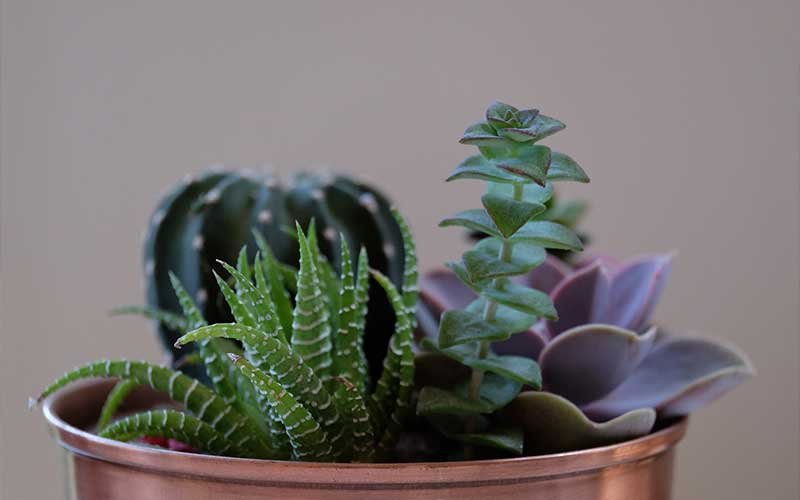
Succulents that have spines can thrive in a lot of sunlight. However, fleshy succulents cannot tolerate intense sunlight. They prefer a cooler environment. When choosing a perfect location for your succulent, this will entirely depend on the type of succulent that you want to grow.

For instance, if you are growing cacti, then it is not be appropriate to place them indoors around children or pets. Instead, you should consider transplanting them outdoors. On the other hand, if you want to grow fleshy succulents, then keep them indoors where there is less sunlight.

If your cactus on your patio has grown too tall, then you can transplant them to your garden. In this way, it can grow freely.

So, when is the best time to transplant your succulents? The perfect time to grow, repot, or transplant your succulents is during spring and summer. Succulents, that are best for warm weather conditions, should be transplanted between May and August. Of course, it’s fine to transplant them during winter. However, this is not the best time to grow them. It is recommended that you should wait until spring.

What is the best soil mixture for succulents? If the cactus mix is not available in your area, then you can choose organic potting mix. This type of soil can drain well. You could also choose to add some compost when transplanting your succulents. Some people prefer to mix their succulent soil. This is fine as long as it works for you. The most important thing is that the soil drains well. If you require drainage, you can add pumice or perlite.

At Eden Succulents, you can learn a lot about growing and caring for succulents. We try our best to keep you informed about the latest information about succulents. We hope that this guide has given you some insights on how to successfully transplant your succulents. If you have some questions or inquiries, then you can put them in the comments below.