skip to content
Eden Succulents
How to Grow Aeonium Succulents

How to Grow Aeonium Succulents

These succulents have a botanical name of Aeonium, however, it does not have a common name. Aeoniums are the type of succulents that look a bit strange. Its because they have long, arching stems. It has the perfect rosettes of leaves which some people often think were fake. If you want to know if it is authentic, then you’ll have to touch it. Aeoniums have approximately 35 species and a few of them originated from the Canary Islands.

If you want to grow Aeoniums, then you need to know that they are more suitable in a Mediterranean climate which is not extremely cold, hot, or dry. Since Aeoniums produce fleshy rosettes, then they have a close resemblance with other types of succulents such as Echeveria and Sempervivum (also known as Hens and Chicks). These plants can grow numerous long branches and tend to grow into shrubs. While some varieties are low growing.

Leaves and Flowers

The leaves of Aeoniums form into rosettes. The shape of its leaves is somewhat rounded. Its stems can either be long and branched or short and thick. The solid colors of its leaves are what make Aeoniums look flawless. Sometimes its leaves can also be a combination of different colors including red, yellow, white, and green.

The flowers of Aeoniums will come out from the middle of the rosettes. Its small flowers will grow in bunches and it has a star-like shape. Most often, Aeoniums will bloom during the late winter or spring.

Exposure to Sunlight

Just like other succulents, Aeoniums can grow very well in total sun exposure but sometimes they also require partial shade. When the weather is extremely hot, then it is essential to provide them with some shade.

Hardy Succulents

Aeoniums are considered as one of the best hardy succulents that you can grow during the cold season. But be wary that these plants are best in USDA Zones 9-11. Nevertheless, they can thrive in sporadic frosts with a temperature of 25 ℉ (-4 ℃).

Hardy Succulents

Plant Size

The size of Aeoniums will differ from one variety to another. Some Aeonium varieties are low growing. They only grow a few inches tall, while their rosettes can only reach up to an inch or two. On the other hand, other varieties can branch out tremendously. They can probably reach three to four feet tall. Its rosettes are plate-size.

Aeoniums in Gardens

Aeoniums can be a great addition to your garden. They will catch more attention compared to the other plants in your garden. The ones that can grow tall will have a similarity of a bonsai plant. If they get taller, then they can look awkward, so you have to cut them down. These cuttings can be used in reproducing new plants. This means that you can quickly fill out your garden with Aeoniums.

Since these plants do not require too much soil, then you can just plant them in containers. In this way, you can take a closer look at their special features. This can also help you monitor their conditions as they grow. During the rainy season or high humidity, you don’t have to water them more often. Although, you may need to water them once they have dried up already.

Always keep an eye on them and use your judgment, when necessary. For instance, it is much better to use regular potting soil, rather than choosing fast-draining soil for succulents because it can help in maintaining their moisture level.

A Few Aeonium Varieties

  • Aeonium arboreum “Atropurpureum

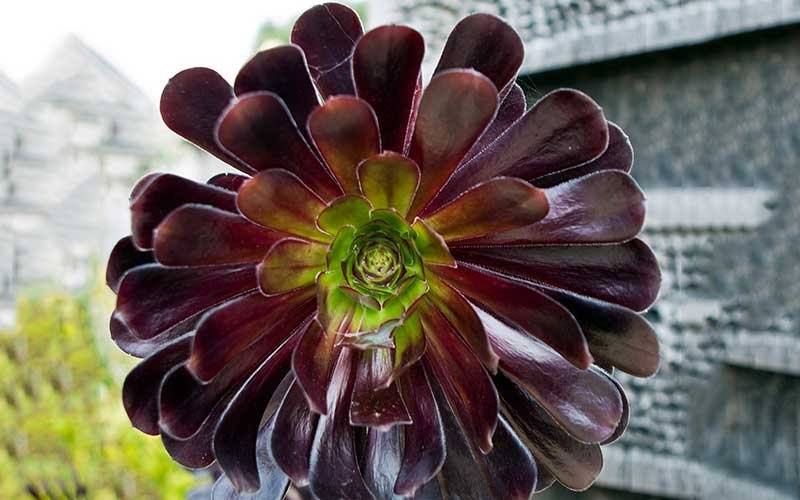
    These plants commonly have maroon leaves. Be sure to place them in bright light.

  • Aeonium arboretum

    They have long branches where their brilliant green rosettes will emerge. These plants are available anywhere.

  • Aeonium davidbramwelli “Sunburst”

    These types of succulents are best for frosty areas. Its rosettes are in white, yellow, and green stripes along with pink tips. The size of its rosettes can grow up to 1 foot across.

  • Aeonium arboreum “Zwartkop”

    These are dark succulents with nearly black leaves.

  • Aeonium “Garnet”

    This is a crossbreed of “Zwartkop”. But this one includes red leaves.

  • Aeonium haworthii “Tricolor” or “Kiwi”

    These succulents are very easy to grow. Its flowers can grow to four inches. During its early stage, the center of the flower is pale yellow. However, when it gets mature, it will turn into red and green.

A Few Aeonium Varieties

Tips in Growing for Aeoniums

If you are interested in growing Aeoniums, then keep in mind that they do not enjoy hot or dry weather. During the summer, they might go inactive. You don’t have to water them, except during extremely dry conditions. When it is too hot, their leaves will swirl, to avoid too much water loss.

During high heat, you need to keep them in the moist shade to keep them growing. Ultimately, the growth season of Aeoniums is from winter to spring. During this time, the temperature is cool and damp. When it is winter, there is no need to water them more often. The fact is, you should only water them when the soil has completely dried up. Overwatering can rot its roots.

Aeonium requires some moisture, hence it is best to use regular potting mix or sandy loam instead of succulent and cacti mix. If you put them in containers, then you have to re-pot them at least every two to three years using fresh potting soil. Provide them with fertilizer during their growing season rather than when they are inactive.

If you are growing your Aeoniums in proper conditions, then they can take care of themselves. They can continue to survive even if you neglect them.

Propagating Aeoniums

The roots of Aeoniums are underdeveloped since its leaves and stems keep water. As a result, its stems tend to produce roots. This can be seen when the stems fall. These fallen stems can quickly turn into new plants.

Sometime the leggy branches of Aeoniums will fall off. Probably it’s because of the weight of the rosettes. These broken stems can be replanted into new ones.

A few succulents die after flowering and Aeoniums are one of them. Once they bloom, new side shoots will emerge and continue to live on.

If you need more information on growing succulents, then you can browse our articles. Eden Succulents have a lot of resources about succulents. If you encounter some problems with your succulents, then please inform us, we have a lot of information on our website that may be useful to you.
Everything You Need to Know About Hardy Succulents

Everything You Need to Know About Hardy Succulents

Most people think that succulents can only survive in the desert. Surprisingly, there are also some succulents that can survive in cooler temperatures. The fact is, there is a wide range of hardy succulents that can thrive in cold weather. This means that no matter what the climate is, you can still grow succulents in your garden.

Do you know that these hardy succulents can thrive in the snow without damaging any parts of the plant? This is quite extraordinary for a plant that has a lot of water content. Here is a list of some hardy succulents that can thrive in warmer climates, but typically they are more suitable in places that don’t have tropical weather throughout the year. These hardy succulents are perfect for people who are residing in cooler regions. Additionally, this type of succulents does not need special irrigation, since it can survive in a natural environment.

Winter Hardy Succulents

Sempervivum

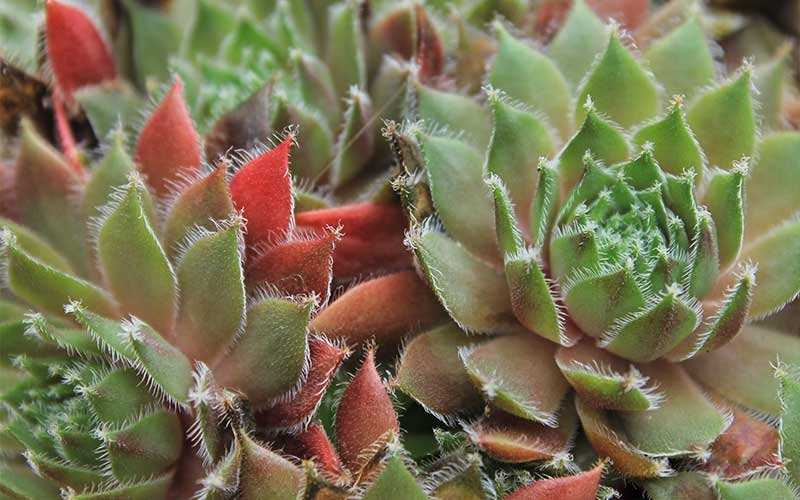
Sempervivum is commonly known as hens and chicks. They can provide an impressive texture in your flower bed. These types of succulents come in different sizes. This plant blooms freely making it look great as a ground cover, although they can also look attractive on rock gardens.

Sedum spectabile “Autumn Joy”

This type of hardy succulent is a native plant of North America. However, they can thrive when exposed to cooler temperatures in other regions. Its leaves are lime green while its small flowers are in pink. The small flowers grow in bundles, making it look like loose broccoli florets.

The Autumn Joy can look great along with other garden perennials and looks more impressive when placed together with ornamental grasses. The color of its flowers will depend on the climate. Essentially, it can range from pale pink to the deepest shade of salmon.

Sedum spectabile

Sedum spurium “Dragon’s Blood”

One of the key attractions in rock gardens is the Sedum spurium “Dragon’s Blood.” It can handle cold temperature very well and quickly attracts butterflies and other insects. This succulent can make an outstanding addition to your fruit plants.

These vigorous plants can spread extensively and has tiny, beautiful flowers. Sedum spurium does not require too much attention. It can survive in extreme sunlight with well-drained soil. It has pink flowers that can brighten up your garden.

Sedum telephium “Purple Emperor”

This succulent is quite similar to purple broccoli. The only difference is that it cannot be eaten. Its tiny buds grow in tight bunches and eventually, they can turn into flowers. Most people can easily get attracted to the Purple Emperor because of its unique color, making it an interesting contrast to green succulents.

This tall stonecrop has magnificent blooms that can lighten up a gloomy flower bed. Additionally, you can add lots of smaller plants to their surroundings.

Sedum reflexum “Angelina”

These succulents look more or less the same as ferns. They have abundant stems that generate numerous sponge-like leaves. Its colors can change from soft green to gold all through the years.

Angelina tends to spread tremendously. They can also stand out in your garden because of their unique colors. Unlike other succulents that come in greater greens and greys. These plants will bloom but not on a regular basis.

During the cold season, Angelina will turn into bronze. But when it gets warmer, they can turn into lime green or golden orange. These plants can survive during extreme weather. The color of Angelina changes as the season change. They can be used as an excellent floor coverage since its colors will keep on changing.

Orostachys

Sedum spectabile
One of the most odd-looking succulents is Orostachys. They have spikey leaves while its crown stretches out openly and can even reach the ground. Due to its unique features, adding them to your existing garden can be a bit challenging.

It is important to place them in the right position so they can grow healthier. Nevertheless, Orostachys are extremely hardy succulents. This means that they can survive both in cold and hot conditions. They can even thrive even if they are covered with some snow.

Jovibarba

The bulb of this succulent is similar to a globe artichoke. It is also spiky just like a cactus. They are extremely tough since these succulents can thrive in excessive coldness, drought, too much heat, and even in poor soil conditions. However, they cannot survive in waterlogged soil, so be sure to put them in a place that they can drain quickly.

The most interesting fact about Jovibarba is it will look for its own spot if they do not enjoy their current space. It will generate a bunch of chicks that will spread and move away from its mother plant in an attempt to form a new group. These hardy succulents can interbreed successfully, so you can enjoy seeing a bunch of greens and pinks in your garden.

Jovibarba heuffelii

This succulent has a slight resemblance to the traditional Jovibarba. The difference is this one has a more open globe and the spikes at the edge of the leaf are more apparent. Additionally, Jovibarba heuffelii comes in a wide variety of colors including pinks, yellows, bronzes, and soft greens. These plants are difficult to kill, as long as they are not placed in soggy soil.

Jovibarba heuffelii is a hardy succulent that can grow during the toughest weather conditions. When drought comes, they will shrink a bit but will revive once they are watered. Hence, it is quite challenging to kill these succulents. They are perfect for any type of garden. However, they are more suitable for regions that have the tendency to experience long, extreme winters.

Build Your Hardy Succulent Garden

With these hardy succulents, you can now create your own succulent garden. One of the greatest benefits of having hardy succulents on your garden is the fact that they do not require too much attention. They can make your garden look amazing with its variety of colors regardless of what the weather is.

Whether you are a newbie, or you have grown a few succulents, there is a lot of valuable information that you can find at Eden Succulents. We want to help every succulent enthusiast grow and care for their succulents in the most effective way. Growing succulents can be fun! If you have any questions about hardy succulents, then please write them on the comments below!

Everything You Need to Know About Having Succulents in Your Office

Everything You Need to Know About Having Succulents in Your Office

Let’s be honest here – corporate spaces look pretty dull. All you see are white walls, cubicle fixtures, and drab fluorescent lighting that don’t motivate your creativity.

Fortunately, there’s a way to create an inspiring work environment in your offices -indoor plants! Some offices sometimes want plants, but they are discouraged with the hassle of watering them regularly. A great solution to this is office succulents. Succulents are very easy to care for and also have a lot of health benefits, so they don’t only make your office look more sophisticated, but they also improve the overall atmosphere.

Benefits of Having Succulents in Your Office

Improves Air Quality

Unlike most houseplants that stop releasing oxygen in the night, succulents continue to do so throughout the night. The added circulation will help everyone in your office breathe easier and have a clear head and a focused mind.

Succulents also purify toxins from indoor air. According to a study by the American Society for Horticultural Science, indoor plants remove harmful formaldehyde in the air. Formaldehyde is a toxin found in wood furniture and building materials such as hardwood plywood paneling, and fibre boards. It can cause skin and respiratory problems and headaches.

Keeps Your Office Healthy

High humidity inside the office can cause employees to feel tired and sluggish. It can also be a cause for dry skin, colds, sore throat, and dry cough, which can get dangerous, especially when you have a small office where viruses and bacteria can spread quickly. Having succulents inside your office can help lower the humidity and improve employees’ well-being, which will result in better work performance.

According to two separate studies conducted by the Agricultural University of Norway and environmental psychologist Tina Bringslimark, having plans in the office decreases the occurrence of sicknesses in the workplace, and employees who regularly see these plants take lesser sick days off from work.

Provides Better Concentration

Seeing greenery and nature in your workplace reduces your stress and anxiety and helps you feel more relax and calm. When employees experience minimal stress, they can focus more on their jobs. The green color of succulents also produces stability and boosts concentration, while its oxygenating abilities help strike a balance between oxygen and carbon dioxide, which results in better brain function.

Provides Better Concentration

How to Grow Succulents in the Office

Succulents can grow in low-light conditions like the office, but it can be a bit tricky. Here are some essential tips for growing succulents in the office:

Use the Proper Soil Mix

Succulents do not like sitting on wet soil for a long time, so it’s essential to use a well-draining soil for your plants. Heavy and dense soil does not dry fast enough for succulents’ liking. Because of the low light condition inside the office, your succulents must be planted in fast-draining soil. Constantly wet soil and poor lighting will immediately kill your succulents.

You can make your succulent soil by mixing equal parts of the cactus mix and perlite. To enhance the draining ability of your soil, you can add the same amount of coarse sand to your soil mix. If your budget permits, you can add gravel and pumice to the mix.

Give them Enough Light

One of the trickiest parts of growing a succulent is giving them enough sunlight. They generally need six hours of bright, indirect sunlight every day. Inside the office, you need to place your succulents somewhere that gets light all day.

First, determine where natural light is coming in. Choose the brightest window in your office. It will be easier to remedy too much sunlight on your succulents than insufficient light.

If you’re stuck in a windowless working space or if your cubicle is too far away from the window, you can still grow your succulents, but with more difficulty. Invest in artificial light or grow light that will supplement the lighting requirements of your plants.

Give them Enough Light
Succulents are not very particular with where the light comes from. Natural sunlight contains the full spectrum of light, but succulents do not require all the color spectrums of light to live and grow. The bottom line is they need light to grow, so grow light can be a good alternative for your succulents if giving them natural sunlight is not feasible.

Choose the Right Pot

Succulents growing in low light conditions are prone to root rot, so your pots should have enough holes to allow excess water to drain. When using a pot without drainage holes, be careful with watering your plants. Succulents enjoy getting their roots soaked with water, but they don’t like to be watered frequently.

Give them a good drench when you water them, enough for the water to reach their roots, but wait until the soil completely dries out before you water them again. Watering succulents daily can kill them.

Pick the Right Succulent

Not all succulents can thrive indoors, so make sure to choose a variety that prefers low light or shade. Most succulents that come in bright colors like red, purple, and orange, do not do well as indoor plants. Green succulents are your best choice.

Here are five succulents that will grow well in your office:

Haworthias

Haworthias make for the perfect office plants because of their size. They’re cute and small and resemble aloe plants. Haworthias can tolerate low light conditions and will look best when given bright, filtered light. The leaves of Haworthias are long and green with pointy edges and white spots.

Haworthias

Aloe Verat

Some species of aloe vera do not grow too large, especially if they are indoors, which makes them excellent office plants. They will do well indoors as long as they get enough sunlight. You’ll know when they’re not getting enough light when their leaves start to droop downwards.

Christmas Cactus

The Christmas cactus or schlumbergera produces flowers around Christmas, hence their name. Their beautiful blooms come in red, pink, cream, orange, or purple. These succulents are native to the rainforests of Brazil, so you can plant them in regular container soil. Water them once a week because they prefer a more humid environment compared to other succulents. The Christmas cactus prefers partial shade and will do well on your desk even if it’s not near the window.

Jade Plant

Jade plants stay small even if you prune them, so they’re great to keep on your desk. They do well in low light conditions, so you don’t need to purchase a grow light to keep them thriving. Jade plants look like little trees with woody stems and glossy leaves, which makes them an exciting addition to a drab-looking workspace.

Snake Plant

If you want to improve the quality and circulation of air inside your office, snake plants are your best choice. These succulents are proven to remove harmful chemicals from the air. Snake plants have green leaves that stand tall, with some varieties having colorful leaf edges. They prefer filtered light and don’t do well in full sun.

It’s a great idea to grow succulents in your office. They are low-maintenance, and there are a lot of benefits you can get from them. It can be tricky, but doable if you follow the tips above.

What succulent do you plan to grow in your office? If you still need help deciding, leave us a comment, and we’ll share our favorites!

Animals That Love to Eat Succulents

Animals That Love to Eat Succulents

Many succulent growers like checking on their plant first thing in the morning with their coffee in one hand. It’s a comforting habit similar to checking your social media feeds to update yourself on the things that you might have missed overnight. However, like seeing bad news on social media, there are also some unpleasant things you might encounter while inspecting your plants in the morning, and that is finding that part of your plant is missing.

You’re jolted from your half-awake state, not because of the coffee but because you discovered that your succulents that looked so gorgeous yesterday were munched on as you had your good night’s rest. It’s also far from comforting to see that the flower buds you’ve been patiently and eagerly waiting to blossom are gone.

Unfortunately, there are a number of animals out there that feed on your succulents. It may not be part of their natural diet, but these animals love your water-filled succulent leaves.

So, what’s eating your beloved succulents? The list varies depending on where you live, but the most common animals that succulent growers complain of are squirrels, possums, cats, and birds.

SQUIRRELS

Squirrels can be persistent garden pests. They might look cute, but they climb, dig, and chew their way through anything to get their food. While there is no single product that can miraculously prevent your squirrels from chewing on your succulent leaves, there are plenty of options you can do as a means of a preventive measure.

Squirrels can be classified into three categories: the tree squirrels, the flying squirrels, and the ground squirrels. These animals live in most parts of the world, except Australia and Antarctica, so many succulent growers have the same problem as yours.

Squirrels usually have two litters per year. The first one is in late winter, and another in midsummer. Each litter has about two to four kittens on average, but it can have up to eight. When the babies reach nine months, they are considered adults and can start families of their own.

These rodents live up to 15 years. They are herbivores and can eat up to a pound of food in a week, so they can cause real damage to your succulents.

SQUIRRELS

Signs of Infestation

You’ll easily recognize when you’re facing a squirrel problem. These animals are known for chewing and digging their way through gardens. If you see chewed up leaves, uprooted plants, and holes with a variety of squirrel food, there’s no second-guessing who or what ravaged your garden.

The damage incurred by squirrels on your succulents is relatively easy to recognize. Unlike other insects, squirrels take big chunks out of your succulent leaves. They also leave jagged tear marks and deep wounds on the leaves. They usually don’t eat the whole leaves, so there will be evidence left around.

Treatment

We recommend that you take measures to keep your squirrels off your garden because it will be easier than shooing them off once they discover your precious succulents.

Squirrels are naturally scared of their predators, so you can exploit this fear to prevent them from scavenging in your garden. Dogs and cats love to chase squirrels, so you can use this simple tactic by adopting furry friends in your home. These domestic pets don’t even need to be actively on patrol to keep squirrels out of the yard because the mere scent of their urine is enough to scare off those tenacious critters.

If you’re not comfortable with sharing your home with furry creatures, there is predator urine you can buy from your local garden center or garden equipment store. It sounds a bit strange but spraying your garden with animal urine is a proven way to make squirrels keep their distance from your yard.

Repellents are also an excellent way to discourage squirrels from scavenging in your garden. Peppermint is an effective natural repellant because squirrels do not like the scent of peppermint. You can place a peppermint plant beside your succulents, or you can sprinkle peppermint oil around your garden.

Mothballs are another repellent used by many gardeners because squirrels detest the odor. Repel these animals by placing mothball beside your succulents. However, use mothballs sparingly and carefully as they can be toxic to squirrels and other wildlife.

Squirrels are not very fond of spicy food, so spraying your garden with pepper spray or sprinkling it with dried spices will cause these animals to lose interest in your succulents.

Make sure to reapply repellents periodically on your plants or garden especially after you water them or after a rainfall.

One of the easiest ways to keep squirrels out of your garden is to build a barricade that they cannot cross. But keep in mind that squirrels are highly intelligent scavengers, so make sure to use chew-proof materials for your net and fence. Squirrels are also excellent differs, so extend your fencing a few more inches below the ground.

Treatment

POSSUMS

Possums are tree-climbing marsupials that are endemic to Australia, and also to North America. Possums are omnivores, and they are intelligent scavengers that feed on a variety of foods to survive. Their usual diet includes insects, worms, slugs, fruits, flowers, and leaves. They can devour several plants overnight, and they love to eat the tender new growth in the middle of your Echeverias, Graptopetalums, and other succulents that take the shape of flowers.

Signs of Infestation

If you have possums in the area and your succulents that are within their reach are missing significant portions from their leaves, these animals are likely the culprit.

Treatment

To possum-proof your succulents, place them in high tables with smooth and shiny legs that possums can’t grip and climb. You can also plant spiky plants around the perimeter of your succulent garden to act as barriers.

One natural and cheap way to ward off possums from your garden is by using garlic on your plants. Mix two tablespoon of chopped garlic in two litres of boiling water, then let the mixture infuse overnight. Spray the mixture directly on your succulents and reapply every four days, or after heavy watering.

CATS

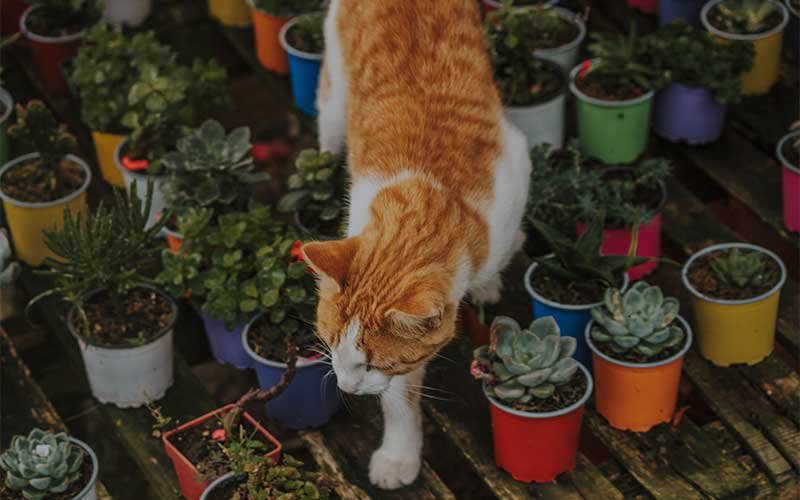
Plants are not part of a cat’s typical die because they are primarily omnivores. But these pets are incredibly unpredictable. They can have a habit of nibbling on plants when they’re bored. Sometimes, cats eat plants simply because they are attracted to it, or because they find it pleasurable to chew the fibrous leaves.

CATS

Signs of infestation

Most cats like to nibble on succulents. Sometimes, they also enjoy shredding the leaves using their sharp claws.

Treatment

The most common remedy to this problem is to put your succulent in a cage or metal crate. Make sure that the cage or crate allow sun and air in so your plants still get the proper nutrients they need while being protected. Place the cage in your windowsill or hang them from the ceiling to ensure that they are safe from your cat’s playful paws, and take them down whenever they need watering.

If possible, place your succulents where your cats cannot reach them. You can put your plants in a room that has sufficient light pouring in.

Fortunately, there are natural cat-repellent sprays sold over-the-counter that you can use on your succulents. These are made from non-toxic ingredients and are specifically designed for houseplants. Alternatively, you can make your own repellant by mixing one part vinegar with three parts of water. Spray the mixture directly on the leaves of your succulents. The mixture won’t hurt your plants, and it will effectively ward off your feline friends.

There will always be animals interested in your succulents, but before you go and transform your garden into a biohazard by using synthetic pesticides, try to approach the problem in an eco-friendlier way. Discourage and ward off these animals instead of killing them.

Have you witnessed other animals eating your succulents? What did you do to keep them off your plants? Please share your experience in the comments below.

Learn Eco-Friendly Ways of Caring for Your Succulents

Learn Eco-Friendly Ways of Caring for Your Succulents

Eco-friendly products are the trend nowadays. You can see labels such as “green”, “organic”, and “environmental-friendly” on almost every item, including gardening products. While some companies are not genuinely eco-friendly and are merely doing it for sales, some are going the extra mile to be genuinely ethical in their products and services. There is a high demand for sustainable products nowadays, so we will continue to see them in the market as companies supply this high demand.

Sustainable and eco-friendly are often used interchangeably, and they can be loosely defined as anything that is not harmful to the environment. These products or services contribute to the conservation of resources like water and energy and reduces ecological/environmental footprint, which refers to the effect that an entity has on the environment. Eco-friendly gardening is one of the ways to reduce our environmental footprint.

Sustainable Succulents

To many people, succulents may be a “millennial thing” because of their aesthetic value, but they provide an essential component to the environment. The ability of succulents to store water in their leaves makes them not only manageable plants but also sustainable ones. Succulents are drought-tolerant and only need to be watered every ten days or so. Propagating them is also effortless. Pluck out a leaf from your plant, let it dry, place it in soil and wait for it to grow roots.

Succulents are also one of the few types of plants that give off oxygen even in the absence of light, so they work great as a bedside fixture. These plants will keep your oxygen cycling inside your living space even during the night.

Whether you are a seasoned succulent grower or planning to own your first plant, you can reduce the impact you have on our environment by choosing eco-friendly gardening products.

Organic or Natural Fertilizers

Organic and organic fertilizers both provide plants with nutrients such as nitrogen, phosphorus, and potassium, which are essential for their growth. Their difference lies in the ingredients they have and the way they feed the nutrients to the plants. Organic fertilizers create a healthy growing environment for plants over time, while inorganic fertilizers provide faster results.

Organic fertilizers contain organic materials such as animal matter, animal manure, and vegetable matter. These organic matters supply the plant with nitrogen, phosphorus, and potassium through a natural process. They enrich the soil and improve the soil’s quality over time, so they take effect more gradually than inorganic fertilizers.

Organic or Natural Fertilizers
Inorganic fertilizers contain artificial materials and synthetic chemicals. The main goal of using inorganic fertilizers is to provide high concentrations of nitrogen, phosphorus, and potassium directly to the plants. This kind of fertilizer does not enrich the soil and may leave substances that will build up over time and eventually harm your plant.

Choosing which type of fertilizer to use depends on your budget and the nutritional needs of your succulent, but also consider the environmental impact of your preferences and the long-term effect it can have on the ecosystem.

Manure Tea

Manure tea bags are a popular natural alternative to inorganic fertilizers. The tea bags contain manure of livestock that were collected, fermented, and cured. The manure is cured to rid it of any harmful pathogens. Once cured, the manure is placed in a steeping material like a burlap sack or gunny sack, and they’re ready for use.

To use the manure tea, steep the tea bags in water for two to three days in a covered container. Water your plants with the steeped water, and spread the leftover manure on the soil of your plants. The tea is mild and will not burn your succulents.

Using manure tea is a sustainable way of fertilizing because waste products are reused beneficially. They are great alternatives to the inorganic and chemical fertilizers. You can easily make your manure tea fertilizers, or you can also purchase them from garden stores.

Composting

Composting

Another way of providing nutrients to your plants in a natural way is by using composted materials. The process involves running your kitchen scraps and other garden materials into decomposed materials that aid in the growth of beneficial microbes in your plant soil. These decomposed materials turn into soul supplements that are filled with nutrients and are regarded by gardeners as “black gold”.

The process of composting may seem like a daunting task, but it has many benefits to your plant and our environment. Compost materials enhance the quality of the soil and improve the appearance and growth of your succulents. Not only does it make for a good and cheap alternative to chemical fertilizers and supplements other organic fertilizers, but it also reduces the wastes that come from our homes.

Most garden stores sell organic compost, but you can also make your own. Organic compost contains three main ingredients. The first is the browns, and they include dry leaves, branches and twigs, and even shredded newspapers. Next is the greens, or materials like vegetable and fruit scraps, grass clippings, coffee grounds, tea bags, and eggshells. Lastly, make sure to add the right amount of water to your compost pile.

Start by putting your browns at the bottom of your compost bin. Add a layer of greens on top of your browns. Alternate the layers and water the compost regularly to keep it moist. The water also helps in breaking down the organic matter of your compost pile. Cover the compost bin with a material that will help maintain the moisture and heat of your compost pile. Every two to three weeks, mix the compost using a garden fork. The composting process can take up to two months the least, depending on how much compost you want to produce.

We recommend using compost bins for your composting to make sure that the process is sanitary and that your compost pile is secure. Compost bins are readily available in most hardware stores.

Natural Rooting Hormones

Natural Rooting Hormones
Gardeners use rooting hormones to stimulate the growth of new roots. They also protect plant cuttings from fungus and other diseases. Synthetic rooting hormones come in the form of liquid, powder, or gel, but there are natural alternatives that you can probably find in your home.

Cinnamon powder

Cinnamon powder is a rooting hormone commonly used by succulent growers. Dip the cuttings in cinnamon powder or sprinkle the powder in the soil. Cinnamon powder also repairs any wound in the cuttings and prevents the growth of fungus in the soil.

Honey

Honey is a popular rooting ingredient for succulents because of its antifungal and antibacterial properties. Mix a tablespoon of raw honey to two cups of boiled water. Let the mixture cool, then store it in an airtight container. Keep it away from light. The mixture will last for about two weeks. To use it as a rooting hormone, dip the cuttings in the solution.

Apple Cider Vinegar

Gardeners commonly use apple cider vinegar as an organic weed killer because of its pesticidal properties. Beware of using too much apple cider on your plants because they may kill your plants. To use apple cider as a rooting hormone, mix ½ teaspoon of apple cider vinegar to 8 cups of water. Dip the ends of the cuttings on the mixture then stick the cuttings directly in the soil.

Pesticides and Insecticides

Using pesticides and insecticides helps get rid of pests in your plants, but they can also kill predators that your plants need. Pesticides can destroy your plant’s health and reproduction and can also cause an imbalance in its ecosystem. Instead of pesticides, there are natural alternatives you can use that are safe for your plants and are less harmful to our environment.

Neem oil

Dilute one teaspoon of neem oil in 8 cups of water and mix it well. Spray the mixture to in the infested parts of the plant. We recommend spraying neem oil on your plants at night to prevent your plant from being sunburned.

Rubbing alcohol

Create a solution of ½ water and ½ rubbing alcohol. Dab or spray the solution directly on the pests.

Essential oils

Spraying diluted citrus oil can help you get rid of pests and harmful insects in your plants. Similarly, sprinkling eucalyptus oil directly on the pests can deter them.

Soapy Water

Mix a few drops of soap to 2 cups of water. Spray the solution directly on the infested areas.

Ladybugs

Ladybugs are beneficial insects that feed on the harmful insects on your succulents. You can get these beneficial insects from your local nursery, gardening stores, or shops that sell farming equipment.

Eco-friendly plant containers

Eco-friendly plant containers
Your best choice for eco-friendly pots and containers are those made from biodegradable materials like coconut fibers and bamboo. You can also reduce your ecological footprint by recycling or reusing your plastic containers and repurposing them as plant containers. Tin cans and old toys make for suitable plant containers for your succulents.

Sustainable gardening doesn’t need to be costly and tedious. A little creativity and research can help you find eco-friendly ways of growing your succulents that you will also enjoy. If you have other ideas on how to practice sustainability in growing succulents, please do share it with us in the comment box below. We’d love to hear from you!